November 7, 2025
8 min
Nathan J
January 8, 2026
10 min
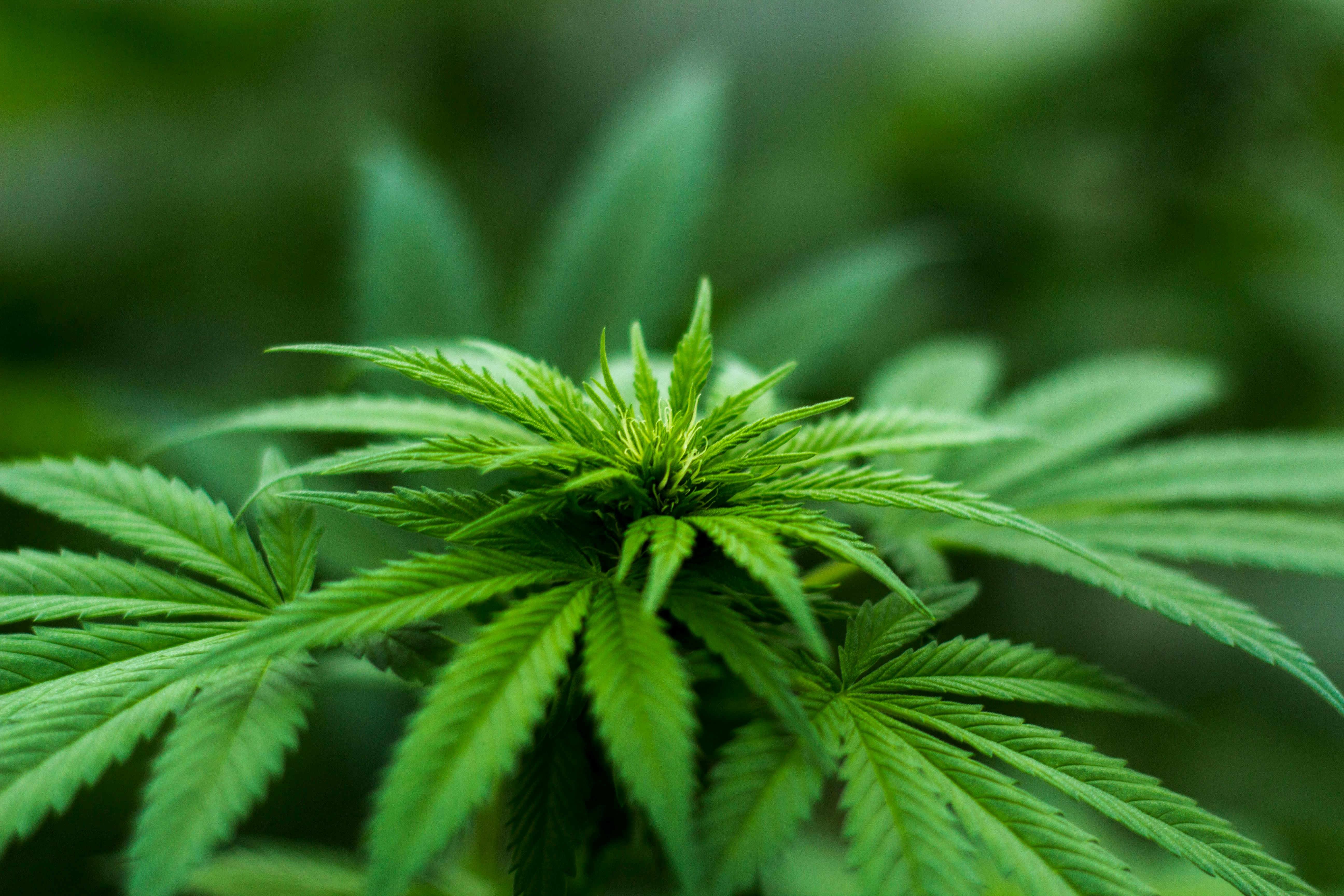
You've probably seen it at your local gas station or smoke shop: Delta-8 THC products lining the shelves like energy drinks. This hemp-derived compound promises a "smoother high" than regular marijuana, all while skirting federal cannabis laws. Yet here's the catch—scientists barely understand it, doctors haven't studied it thoroughly, and regulators can't decide if it's legal or dangerous. So what's the real story? Let's cut through the hype and examine what we actually know about Delta-8 THC.
Delta-8-tetrahydrocannabinol exists naturally in cannabis plants, but only in trace amounts—less than 1% of the plant's composition. Because it's so scarce in nature, most Delta-8 products get manufactured through chemical conversion of CBD extracted from hemp. This manufacturing process matters tremendously because it's not standardized, and that inconsistency creates a cascade of problems that ripple through every aspect of Delta-8 safety and efficacy.
The most compelling evidence for Delta-8's benefits comes from a 1995 study published in Life Sciences. Researchers gave Delta-8 to children undergoing cancer treatment, and the results were remarkable—all 480 treatments prevented vomiting with minimal side effects. The National Cancer Institute recognizes Delta-8 as having antiemetic, anxiolytic, and appetite-stimulating properties based largely on this work. But here's the frustrating part: there haven't been significant follow-up studies in humans since then, leaving us with nearly three decades of silence on what could be a genuinely useful therapeutic compound.
What we do understand about Delta-8's mechanism comes from research on how it interacts with your brain. A 2018 study in Cannabis and Cannabinoid Research found Delta-8 binds to CB1 receptors similarly to Delta-9 THC, the main psychoactive compound in marijuana. However, Delta-8's slightly different molecular structure makes it less potent—think of it as THC's mellower cousin. Users report feeling high but without the paranoia or anxiety that sometimes accompanies Delta-9, which sounds great until you realize most of this evidence is anecdotal.
The largest survey of Delta-8 users appeared in the Journal of Cannabis Research in 2022, involving 521 people who reported relaxation and pain relief as primary benefits. About 81% said they preferred it over Delta-9 because it produced less anxiety. But this survey relied on self-reported data from people who'd already chosen to use the product, which tells us more about satisfied customers than about Delta-8's actual safety or effectiveness across broader populations.
Meanwhile, the FDA has been sounding alarm bells. Between December 2020 and July 2021, poison control centers received 660 exposure reports involving Delta-8 products, with nearly 40% requiring medical attention. Children accounted for a concerning portion of these cases, often after mistaking edibles for regular candy. What's particularly troubling is that the chemical synthesis process can leave behind harmful byproducts. A 2022 analysis by the University of Rochester Medical Center found that Delta-8 products frequently contain contaminants, including heavy metals and residual chemicals used during conversion. Some samples even showed Delta-9 THC levels exceeding legal limits, meaning users might accidentally consume more than they bargained for.
Here's what keeps researchers up at night: we lack gold-standard clinical trials. Most evidence comes from animal studies, anecdotal reports, or that single pediatric study from nearly three decades ago. There's no large-scale, randomized, placebo-controlled research examining Delta-8's effects on adults, which means we're essentially flying blind.
The unregulated market makes everything worse. A 2021 investigation by the U.S. Cannabis Council found that 25% of Delta-8 products tested contained significantly different cannabinoid levels than advertised, and some had dangerous contaminants that never appeared on packaging. This manufacturing inconsistency makes studying Delta-8 nearly impossible because scientists can't replicate experiments when products vary wildly from batch to batch. It's like trying to study the effects of coffee when every cup might contain anywhere from 50 to 500 milligrams of caffeine—plus unknown additives. Without standardization, we can't build reliable knowledge about what Delta-8 actually does.
Doctors approach Delta-8 with cautious skepticism, and for good reason. The American Medical Association hasn't established formal guidelines because sufficient evidence simply doesn't exist. Dr. Peter Grinspoon from Harvard Medical School captures the medical community's dilemma perfectly: while Delta-8 might offer therapeutic potential, the current market operates in a regulatory gray zone that endangers consumers. Mayo Clinic emphasizes that Delta-8's legal status doesn't equal safety—just because you can buy something at a corner store doesn't mean it's been tested or approved for human consumption.
Medical professionals worry especially about vulnerable populations. Cleveland Clinic points out that Delta-8 can impair driving ability and cognitive function, and since it shows up on drug tests as THC, users might face employment consequences. There's also mounting concern about unknown long-term effects on brain development, particularly in younger users. The CDC has documented cases of accidental pediatric ingestion leading to hospitalizations, with children experiencing symptoms ranging from lethargy and confusion to seizures. Medical toxicologists stress that packaging resembling mainstream candy creates entirely preventable emergencies that tie up healthcare resources and traumatize families.
Holistic health advocates see Delta-8 through a different lens, viewing it as part of the broader cannabinoid spectrum that might support wellness. The National Center for Complementary and Integrative Health acknowledges growing public interest in minor cannabinoids, though they emphasize the need for more research. Dr. Andrew Weil, founder of the Center for Integrative Medicine at the University of Arizona, suggests that naturally occurring cannabinoids deserve investigation for therapeutic applications, but he makes an important distinction between plant-based compounds and chemically synthesized versions.
Integrative practitioners on platforms like MindBodyGreen discuss Delta-8 within the context of the entourage effect—the theory that cannabinoids work better together than in isolation. Some argue that focusing solely on Delta-8 misses the bigger picture of whole-plant medicine. This creates an interesting tension within wellness communities, where many prefer full-spectrum hemp products containing multiple cannabinoids in their natural ratios rather than isolated, converted compounds. For this camp, the industrial production of Delta-8 feels antithetical to plant-based healing philosophies, even if the end result might help people.
Social media tells a wildly different story. On TikTok, creators share "Delta-8 vs. Delta-9" comparison videos that rack up millions of views, with users describing Delta-8 as "weed light"—perfect for staying functional while catching a buzz. Instagram wellness influencers promote Delta-8 gummies for anxiety and sleep, with accounts like @WellnessWithSarah claiming Delta-8 changed her life after traditional anxiety medications caused unwanted side effects. She's not alone—countless posts feature similar testimonials from people who feel they've finally found relief.
Yet not everyone's convinced. Popular YouTuber @TheRealScience calls Delta-8 a "chemical soup" and warns viewers about unregulated products in videos highlighting lab testing that shows concerning contamination levels. Reddit forums like r/delta8 create communities where users share experiences, vendors, and lab reports with tones varying from enthusiastic endorsement to cautious experimentation. Many users appreciate the legal accessibility, especially in states where marijuana remains prohibited, even as they acknowledge they're taking risks with unknown products.
Twitter debates rage about whether Delta-8 represents cannabis progress or corporate exploitation. Critics argue it's merely a loophole product capitalizing on hemp law ambiguities, while supporters counter that it provides relief to people without access to medical marijuana programs. The conversation reveals a public frustrated by the pace of cannabis reform and willing to experiment with alternatives, regardless of what experts recommend.
These three perspectives reveal more agreement than you'd initially think. Nobody disputes that we need better research. Everyone acknowledges safety concerns about unregulated products. The disagreement centers on whether potential benefits outweigh unknown risks, and how long people should wait for perfect evidence when they're suffering right now.
Medical professionals want clinical trials before widespread use. Integrative practitioners appreciate cannabinoid potential but question synthetic production methods. Public users simply want accessible options that work, even if science hasn't caught up yet. The common ground? Delta-8 exists in a regulatory vacuum that serves nobody well. Manufacturers operate without oversight, consumers lack reliable information, and researchers can't conduct proper studies. It's a perfect storm of uncertainty where everyone loses.
One persistent myth needs debunking: "natural" doesn't always mean "safe," and "legal" doesn't mean "tested." Poison ivy is natural. Cigarettes are legal. Delta-8 might be both naturally occurring and technically legal under the 2018 Farm Bill, but that tells us nothing about its safety profile or whether the products on shelves actually contain what they claim.
The path forward requires coordinated action across multiple fronts. Standardized manufacturing protocols must come first, establishing good manufacturing practices for Delta-8 production to ensure consistent potency and eliminate dangerous contaminants. The cannabis industry needs something similar to pharmaceutical standards, with mandatory third-party testing that consumers can actually trust.
Rigorous human clinical trials are overdue. We need multi-phase studies examining Delta-8's effects across diverse populations, exploring optimal dosing, potential drug interactions, and long-term health impacts. Universities with cannabis research programs could lead this charge if federal restrictions ease, building on that promising 1995 pediatric study to finally answer the questions we've been ignoring for decades.
Pediatric safety measures require immediate attention. Child-resistant packaging should be mandatory, not optional, and products shouldn't resemble conventional candy or snacks. Public education campaigns must reach parents who might not realize Delta-8 products pose risks to children, because every emergency room visit represents a preventable tragedy.
Beyond these immediate concerns, we need longitudinal studies tracking regular users to reveal patterns we can't see yet. How does daily Delta-8 use affect cognition over years? What happens to tolerance levels? Do withdrawal symptoms occur? These questions demand answers before Delta-8 becomes more mainstream.
Finally, interdisciplinary collaboration between toxicologists, pharmacologists, and cannabis researchers could accelerate understanding. Delta-8 sits at the intersection of natural products, synthetic chemistry, and drug policy—no single field holds all the answers. Breaking down academic silos might unlock insights that could transform Delta-8 from a legal gamble into legitimate medicine.
Delta-8 THC occupies an uncomfortable space between promise and peril. That decades-old study showing antiemetic effects suggests genuine therapeutic potential, and user reports of anxiety relief and pain management can't be dismissed entirely. Yet the absence of modern clinical research combined with manufacturing concerns creates legitimate worries that overshadow the hope.
Right now, Delta-8 feels like the Wild West—lots of opportunity, little regulation, and considerable risk. Some people benefit from it. Others end up in emergency rooms. Most fall somewhere in between, using products whose contents remain mysterious. If you're considering Delta-8, approach it like any unregulated supplement: with healthy skepticism and careful research. Choose manufacturers who provide third-party lab testing, start with low doses, don't drive or operate machinery, and keep products locked away from children and pets.
But here's the real truth—we're conducting a massive, uncontrolled experiment on public health. That's not ideal for anyone, and it doesn't have to be this way. With proper research funding, reasonable regulation, and genuine commitment to understanding cannabinoids, we could transform Delta-8 from a risky gamble into a well-understood option. Until then, proceed with eyes wide open.
Credibility Rating: 3/10
Delta-8 might eventually prove valuable once we have proper research and regulation. Until then, it's more science experiment than medicine. The gap between what we know and what we're selling is dangerously wide.
Disclaimer: Always consult a healthcare professional before trying Delta-8 or any cannabinoid product. This content includes personal opinions and interpretations based on available sources and should not replace professional medical advice. This content includes personal opinions and interpretations based on available sources and should not replace medical advice. This content includes interpretation of available research and should not replace medical advice. Although the data found in this blog and infographic has been produced and processed from sources believed to be reliable, no warranty expressed or implied can be made regarding the accuracy, completeness, legality or reliability of any such information. This disclaimer applies to any uses of the information whether isolated or aggregate uses thereof.