

November 5, 2025
8 min
Maya Q.
December 5, 2025
8 min
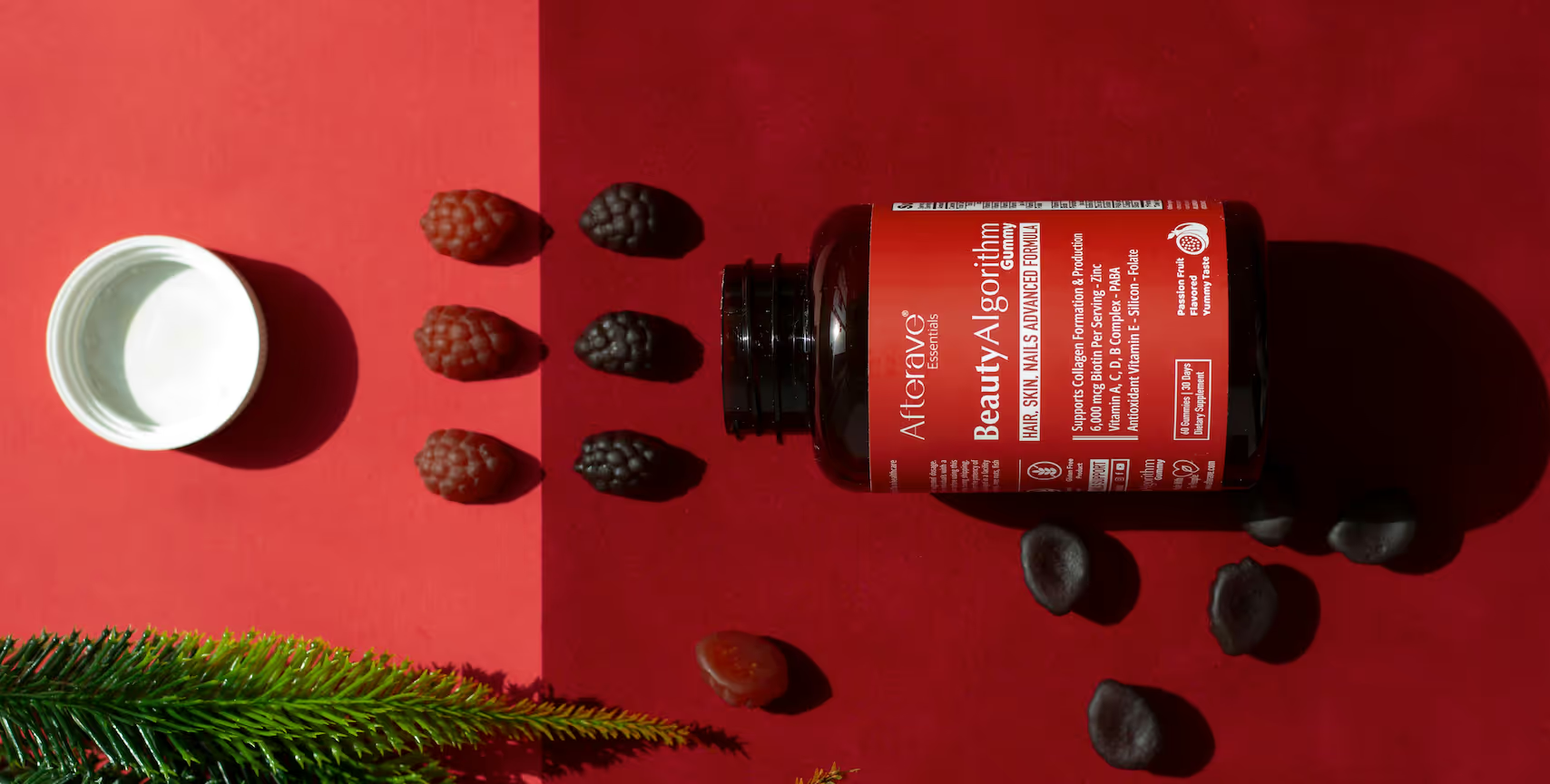
Scrolling through any beauty influencer's Instagram feed, you'll likely notice bottles of biotin supplements that promise luxurious hair and nails. The biotin supplement market has exploded, with Americans spending hundreds of millions of dollars annually on this B vitamin. So here's the surprise truth: most people already get more than enough biotin from their diet, and the evidence that supplements help healthy people is pretty low.
So, what exactly is the disconnect between science and what's flying off the pharmacy shelves? Let's take a look at the biology, what the studies actually show, and discuss three very different perspectives on biotin supplementation.
Biotin, vitamin B7 or vitamin H, is a B-complex vitamin that is water-soluble and plays a significant role in how your body uses food as energy. Biotin acts as a coenzyme for five different carboxylase enzymes that facilitate the breakdown of fats, carbohydrates, and proteins. Additionally, the enzymes are required for the synthesis of fatty acids, for maintaining normal blood sugar levels, and for synthesizing amino acids.
The link to nails and hair is no coincidence. Biotin assists in the production of keratin, the structural protein that composes your hair, skin, and nails. When there isn't sufficient biotin in your body, this protein production suffers. A true biotin deficiency is very uncommon since the vitamin is present in a wide variety of everyday foods such as eggs, nuts, seeds, sweet potatoes, and even gut bacteria that naturally produce it.
Your body needs only tiny amounts of biotin with the adequate intake level is just 30-100 micrograms a day for adults according to Mayo Clinic. Most people achieve this easily with usual intake. But supplement doses are often well over 1,000 to 10,000 micrograms, which can be about 100 times the recommended level.
The science on biotin supplementation is far more nuanced than supplement advertising suggests. Most research showing benefits focuses on patients who have true biotin deficiency or specific medical conditions, not healthy individuals seeking cosmetic advantages in hair, skin, or nails.
A systematic review of research on biotin supplementation demonstrates that there is compelling evidence for the management of biotinidase deficiency, an uncommon genetic disorder that affects biotin metabolism. In these patients, supplementation is actually life-altering and medically essential. Similarly, people on prolonged tube feeding or those who have specific gastrointestinal illnesses that interfere with nutrient absorption may benefit from supplementation.
But what about the rest of us? The evidence becomes much weaker. In a 2015 study titled “A 3-month, randomized, double-blind, placebo-controlled study evaluating the ability of an extra-strength marine protein supplement to promote hair growth and decrease shedding in women with self-perceived thinning hair” analyzed women with hair thinning who took a marine protein supplement containing biotin saw an improvement. However, the supplement contained many ingredients, so it wasn't possible to claim this was due to biotin alone. A small study found that biotin supplementation hardened nails in people with brittle nails, but once more, study groups were small and not all study participants had confirmed biotin deficiency.
The methodological weaknesses are severe. Most positive studies lack any reasonable control groups, have very small sample sizes (usually under 50 subjects), do not measure baseline biotin levels, and are relatively brief in duration. And then, of course, there is publication bias to consider: studies showing no effect are less likely to be published than studies showing benefits.
Cleveland Clinic further states that while biotin supplements are safe in the manner that surplus biotin is excreted in urine, there's a considerable clinical concern: biotin interferes with laboratory tests, such as thyroid, cardiac, and pregnancy tests. This interference has been warned against by the FDA and can lead to falsely high or falsely low test results and potentially dangerous misdiagnosis.
Overall, there is no good scientific evidence that biotin supplements enhance hair, skin, or nails in individuals who are not deficient. This does not imply that biotin is not valuable for these tissues but rather that supplementation does not seem to provide any benefit if you are already obtaining sufficient nutrition through diet.
Limitations of existing studies are the lack of large randomized controlled trials in healthy subjects, inconsistent dosing across studies, failure to measure baseline biotin status, and short follow-up periods. Most studies also do not control for other nutritional factors affecting hair and nail health, including protein status, iron status, and zinc levels.
The medical profession takes a conservative, evidence-based stance. The Mayo Clinic and Cleveland Clinic state that biotin supplementation is indicated when there is proven deficiency or specific medical indications, but not for cosmetic purposes in the otherwise healthy.
Clinicians emphasize that true biotin deficiency is rare and usually occurs in one of only a handful of circumstances: genetic biotinidase deficiency, pregnancy, inflammatory bowel disease, or prolonged use of broad-spectrum antibiotics that disrupt gut flora.
The consensus among physicians is that if you're eating a reasonably varied diet, you're almost certainly getting enough biotin. Paying for high-dose supplements likely just means expensive urine. More concerning, lab test interference causes real clinical risks. A person taking biotin supplements might experience false test results that delay proper diagnosis or lead to unnecessary treatment.
Doctors also point out that both brittle nails and hair loss have many potential causes besides biotin deficiency, including thyroid disease, iron deficiency anemia, hormonal imbalances, stress, and aging. Taking biotin without investigating the real cause might delay treatment of the actual issue.
The natural health community is more accepting of biotin supplementation, putting it in the perspective of a general philosophy of nutritional optimization. Rather than waiting for a medical deficiency, this approach prefers to supply the body with extra nutrients to promote optimal function and glow from within.
Proponents of biotin supplementation think that modern diets, even those that seem to be nutritious, may not be providing optimal levels of all nutrients due to soil depletion, processing of foods, and genetic variation in absorption and metabolism. They view biotin as a natural and harmless way to promote hair, skin, and nail health during stressful periods or phases of life like postpartum recovery when nutritional demands increase.
This group often combines biotin with other supplements that are suspected to enhance beauty and vitality, such as collagen, vitamin E, and omega-3 fatty acids. Overall wellness rather than the management of discrete deficiency states is the focus. Before-and-after photos and testimonials are the usual forms of evidence here, with users reporting stronger nails, faster hair growth, and improvement in skin texture.
Beauty and health influencers played a significant role in making biotin supplements mainstream, with many of them regularly sharing dramatic transformation stories. The usual narrative is about a person who has thinning hair, brittle nails, or dull skin and then tries biotin and experiences incredible results in weeks or months.
Instagram and TikTok are overflowing with videos documenting "biotin journeys," with before-and-after photos of longer hair, thicker nails, and glowing skin. Influencers often recommend specific brands, dosages (usually very high, in the 5,000 to 10,000 microgram range), and complementary products. Many emphasize consistency, with the benefits only appearing after months of daily use.
This perspective succeeds because of relatability and visual evidence. Influencers present biotin as a cheap and accessible beauty hack that doesn't require expensive treatments or salon visits. The message is simple: control your beauty with a simple supplement each day.
Some influencers acknowledge that results are inconsistent and biotin "may not work for everyone," but the overall tone is upbeat and promotional. Some have affiliate marketing relationships with supplement companies, though this isn't always clearly indicated. The content focuses heavily on outcome (longer hair, stronger nails) and comparatively little on mechanism, research evidence, or potential risks.
These three approaches reflect underlying differences regarding what constitutes evidence and when intervention is called for.
The medical mainstream insists upon rigorous proof in the form of controlled studies and documented deficiency before supplementation can be advocated. Such a conservative approach avoids injury and unnecessary expense, but may also dismiss anecdotal data and personal experience not fitting into the research paradigm. Mainstream medicine has nothing to offer to the improvement of already-normal function because the orientation is toward deficiency.
The alternative health perspective respects personal experience, biochemical individuality, and enabling optimal function rather than disease prevention as a sole focus. This perspective is appealing for people who are interested in proactive health but can lead to inappropriate supplementation, wasted money, and incorrect reassurance that a supplement remedies underlying issues. The use of testimonials rather than controlled research renders the separation of true benefits from placebo effects, chance, or misattributed benefits difficult.
The influencer voice claims wellness and health knowledge and makes it appear within reach, yet is often devoid of scientific rigour and may be compromised by biased interests. Stories of transformation may be compelling, but are scientifically unreliable. The visual emotive nature of the posts on social media may short-circuit any critical examination of what actually underpins the perceived change.
Interestingly, none of these positions is entirely wrong. Medical cautiousness about lab test interference and deficiency rarity is understandable. The opposite argument-that optimal nutrition can now be above minimum requirements-carries merit, even if it had not been studied with enough evidence, let alone for biotin. Influencer anecdotes, though not scientific data, are real people's experiences, even if those experiences result from placebo effects or other confounding factors.
The disconnect arises from three divergent goals: medicine is interested in the prevention and treatment of disease; alternative health is interested in optimization; social media is omnivorous for interesting, shareable information. Biotin sits uncomfortably at this intersection since deficiency is rare, supplementation (with the exception of the lab interference) is benign, benefit in non-deficient individuals remains untested, and the "more is better" hypothesis is catchy but untested.
If you're considering biotin supplements, the following are bottom-line recommendations:
Take biotin if: You have confirmed biotin deficiency (extremely rare), you have certain medical conditions that affect biotin absorption, you're pregnant or breastfeeding and your doctor recommends it, or you have a genetic disorder that requires supplementation.
Consider if: you're experiencing unexplained hair loss, brittle nails, or skin problems. Consult a physician to rule out underlying conditions such as thyroid issues, iron deficiency, or hormonal imbalances before deciding biotin will benefit you. Wasting time and money on the wrong issue is not ideal.
Be aware that: high-dose biotin can interfere with medical tests. If you are taking biotin supplements, always inform your doctor and medical technicians before blood tests, especially for thyroid disease or heart conditions. You may need to stop taking biotin several days before testing.
Try a biotin diet first: eggs (yolks especially), nuts and seeds, sweet potatoes, spinach, broccoli, whole grains, bananas, and mushrooms contain biotin. A varied diet supplies ample amounts easily.
Set expectations: if you experiment with biotin despite probably being non-deficient, recognize that you are unlikely to see dramatic results. Hair and nail growth is gradual, so any actual effects would not be seen for months. Be truthful about other changes in your routine that could account for improvements.
Biotin supplements score a 3 out of 10 on the LyfeIQ scale, as while they have legitimate medical uses for treating confirmed deficiency or specific conditions, the evidence for cosmetic benefits in healthy individuals is weak, and the substantial disconnect between marketing hype and scientific data, along with risks of lab test interference and financial waste, warrant low credibility and limited broad applicability.
Medical Consensus says biotin supplements help people with genuine deficiency or specific medical conditions but offer no proven benefits for healthy individuals seeking cosmetic improvements. Lab test interference creates real clinical risk. This view emphasizes that apparent hair, skin, and nail problems usually have other causes requiring proper diagnosis.
Alternative/Holistic Perspective frames biotin as safe nutritional support for optimal beauty and wellness, not just deficiency prevention. This view values individual experience and biochemical optimization, combining biotin with other beauty-supporting nutrients. Testimonials outweigh clinical trial data in this framework.
Influencer Viewpoint presents biotin as an accessible beauty hack backed by personal transformation stories and visual evidence. The emphasis is on relatability, results, and empowerment, with less attention to research evidence or mechanism. Commercial interests often shape the narrative.
Medical Evidence: Strong for treating deficiency, weak for cosmetic use in healthy people. The interference with lab tests is well-documented and concerning.
Benefit Potential: High if you're actually deficient (rare), very low if you're not. The "more is better" hypothesis for non-deficient individuals lacks support.
Risk Level: Low for direct toxicity (excess is excreted), but moderate risk from lab test interference potentially causing misdiagnosis. Financial waste is also a consideration.
Applicability: Limited. Most people pursuing biotin for beauty purposes would see better results addressing diet quality, managing stress, treating underlying medical issues, and practicing gentle hair and nail care. For the small percentage with genuine deficiency or specific medical indications, biotin is genuinely important.
The rating reflects that biotin supplementation has legitimate medical uses but is massively oversold for purposes where evidence is lacking. The disconnect between marketing/social media hype and scientific evidence is substantial.
Disclaimer: Always consult a healthcare professional before starting any supplement regimen. This content includes personal opinions and interpretations based on available sources.
Ablon, Glynis. “A 3-Month, Randomized, Double-Blind, Placebo-Controlled Study Evaluating the Ability of an Extra-Strength Marine Protein Supplement to Promote Hair Growth and Decrease Shedding in Women with Self-Perceived Thinning Hair.” Dermatology Research and Practice, vol. 2015, 2015, pp. 1–8, https://doi.org/10.1155/2015/841570.
“Biotin (Oral Route) Description and Brand Names - Mayo Clinic.” Mayoclinic.org, 2019, www.mayoclinic.org/drugs-supplements/biotin-oral-route/description/drg-20062359.
“Biotinidase Deficiency: MedlinePlus Genetics.” Medlineplus.gov, medlineplus.gov/genetics/condition/biotinidase-deficiency/.
Brock, Alexis. “InstaVitamins: Selling the Dream.” The Pavlovic Today, 3 June 2019, thepavlovictoday.com/instavitamins-selling-the-dream/. Accessed 27 Oct. 2025.
Clinic, Cleveland. “Biotin Side Effects: What’s the Risk?” Cleveland Clinic, 15 Oct. 2024, health.clevelandclinic.org/biotin-side-effects.
Hochman, L. G., et al. “Brittle Nails: Response to Daily Biotin Supplementation.” Cutis, vol. 51, no. 4, 1 Apr. 1993, pp. 303–305, pubmed.ncbi.nlm.nih.gov/8477615/.
National Institute of Health. “Office of Dietary Supplements - Biotin.” Nih.gov, 10 Jan. 2022, ods.od.nih.gov/factsheets/Biotin-HealthProfessional/.
Oregon State University. “Biotin.” Linus Pauling Institute, 22 Apr. 2014, lpi.oregonstate.edu/mic/vitamins/biotin.
Patel, Deepa P., et al. “A Review of the Use of Biotin for Hair Loss.” Skin Appendage Disorders, vol. 3, no. 3, 2017, pp. 166–169, www.karger.com/Article/FullText/462981#, https://doi.org/10.1159/000462981.