
September 30, 2026
9 min
Kenneth D
July 20, 2026
9 min
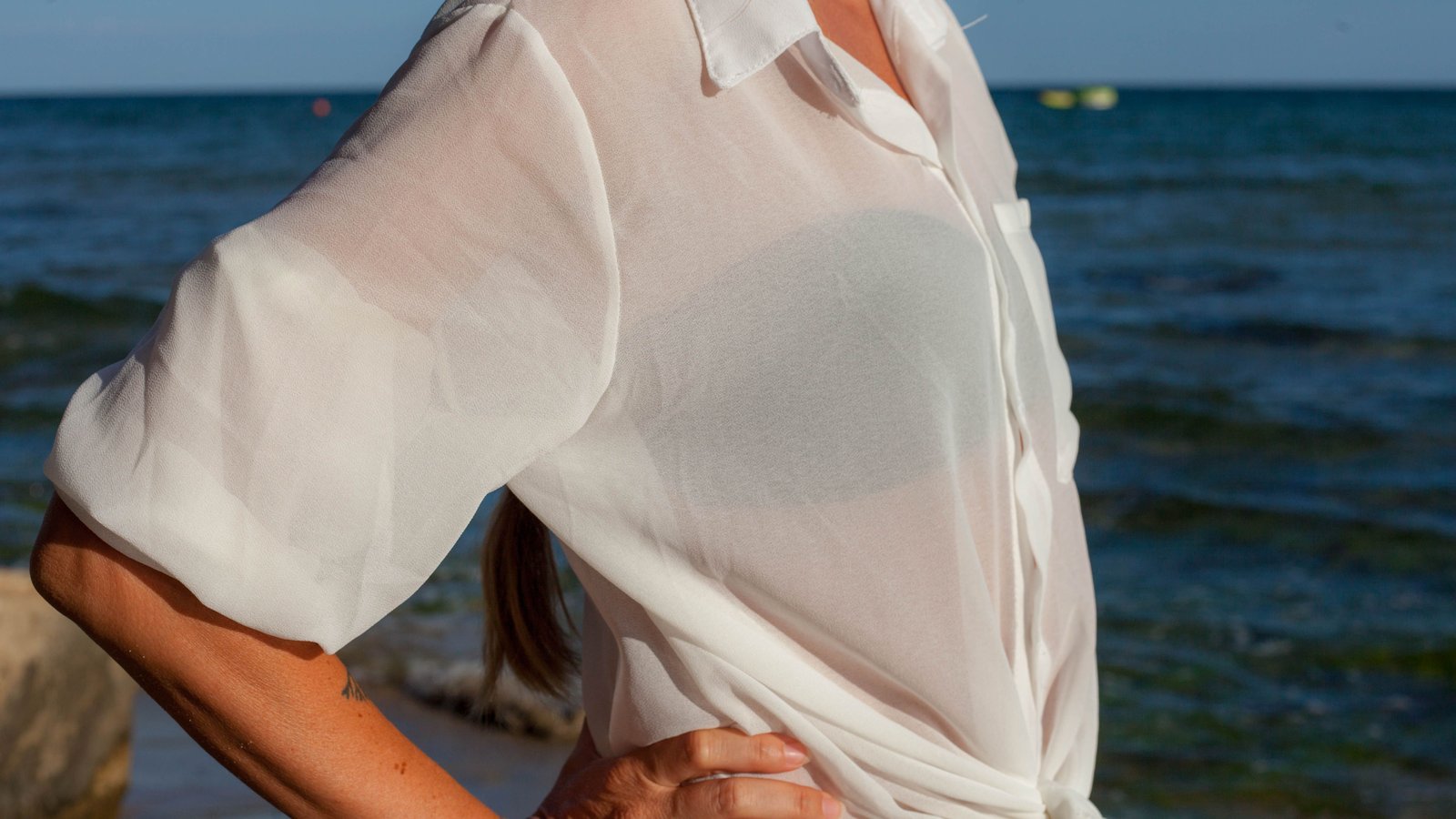
You've worn a t-shirt to the beach and come home with a sunburn anyway. So if ordinary fabric already stops some of the sun, why are brands suddenly selling “UPF 50” hoodies by the millions — and does that label buy you anything your closet doesn't already have?
What the evidence supports: Densely woven, darker, or specially treated fabrics block the large majority of UV, and a UPF (Ultraviolet Protection Factor) rating is a real, lab-measured number. Properly rated sun-protective clothing outperforms the thin cotton tee most people reach for in summer, which can let through enough UV to burn.
What's overstated or unsupported: The implied need to buy branded UPF apparel for everyday cover. A tightly woven, darker everyday garment often already reaches UPF 50 with no special finish — and some chemical UV treatments measurably wash out within dozens of laundry cycles.
⚕️ LyfeiQ Score: 7/10 — The protection is real and worth it for long hours outdoors, but the rating matters more than the brand, and the flimsy tee you already trust is the actual weak link.
Health agencies treat clothing as a first line of sun defense, not a fallback — it covers more skin than sunscreen ever does and never needs reapplying. A 2022 review in Photodermatology, Photoimmunology & Photomedicine placed clothing among the primary photoprotection methods and documented a decade of rising public interest in sun-protective apparel. The catch is that not all clothing protects equally, and the difference is larger than most people assume.
The number that captures this is UPF. A garment rated UPF 50 lets roughly one-fiftieth of UV radiation reach the skin. It is the fabric cousin of sunscreen's SPF, with one key difference: UPF accounts for both UVA and UVB, while older SPF testing focused mainly on the UVB rays that cause sunburn.
Here is the figure that punctures the “all clothes are basically SPF” assumption. A frequently cited 1998 review in the Journal of Cutaneous Medicine and Surgery pegged an average-weight white cotton t-shirt at a sun protection factor of about 7 — below the UPF 15 floor that most standards require before a garment can even be called sun-protective. Thin, pale, loosely knit summer fabric is exactly the kind of clothing people wear in the strongest sun, and it is among the weakest at blocking it.

Four properties decide how much UV a fabric stops, and they are all things you can see or feel. Weave tightness is the biggest lever: the more densely the yarns are packed, the fewer gaps for UV to slip through. A 2015 PLoS One study of cotton knits found that yarn fineness and dye concentration were the strongest drivers of UPF, and that lighter-colored fabric consistently protected less than darker shades of the same cloth. Fiber type, color, and any added UV-absorbing finish round out the list.
Then real life intervenes — and usually for the worse. Cotton's protection drops when it gets wet: a controlled study in Photodermatology, Photoimmunology & Photomedicine found that saturating cotton fabrics significantly lowered their UPF, even though the same wetting raised it for linen and polyester. Stretching is worse still. A 2014 analysis in Radiation Protection Dosimetry found that black knitted fabrics lost an average of 53% of their UV protection at just 10% stretch — the kind of stretch a shirt sees across the shoulders or a swimsuit over skin. A damp, stretched cotton tee is close to the worst-case version of itself.
The fastest test costs nothing: hold the garment up to a bright light. If you can see light readily through the weave, UV is getting through too. Dense fabric that blocks the light blocks the rays. From there, four rules of thumb track the science:
For brief, incidental sun, a normal wardrobe choice — a dark, tightly woven shirt — is usually plenty. For long, deliberate exposure (a day on the water, a hike, an outdoor job), a garment that is both protective and breathable is genuinely useful, which is exactly the gap a well-made sun hoodie fills.
Dermatology is unusually united here: cover up. Photomedicine reviews and major dermatology bodies consistently rank clothing as a primary, reliable barrier against UV — more consistent than sunscreen, which people apply too thinly and reapply too rarely. The Photodermatology review frames UPF-graded clothing as a practical way for the public to get dependable, all-day coverage. The medical case is for the protection, not for any particular brand.
Manufacturers make a real engineering argument, and a softer marketing one layered on top. The legitimate pitch is design: lightweight, breathable fabric that still blocks UV is harder to make than a heavy dark shirt, and UV-absorbing mineral finishes are the tool. A 2023 review in the International Journal of Environmental Health Research documented how zinc oxide nanoparticle coatings can raise a cotton fabric's UPF substantially. The weaker claim is that you need a finish at all — and the durability data complicates it.
Online, the sun hoodie has become a lifestyle badge as much as a tool. Popular fishing, hiking, and running creators routinely credit hooded UPF shirts for letting them stay out all day without burning, and the look has spilled well beyond performance use. The useful counter-voices come from gear reviewers who point out the quieter truth: a tightly woven shirt you already own can match a marketed UPF garment, and a flapping, half-unzipped hoodie protects only the skin it actually covers. Enthusiasm and skepticism both have a point.
The physics is settled; the premium is where the spin lives. Dense fabric blocks UV — that is not in dispute, and a genuine UPF 50 garment does what it says. The slippery part is the suggestion that protection is something you can only buy. A dark, tightly woven everyday shirt frequently tests at UPF 50 on its own, putting it level with apparel sold specifically for sun protection.
Two findings should make shoppers read labels harder. First, a 2023 Cureus study laundered seven commercial sun-protective garments 50 times and found two of them lost 70–78% of their UPF — the one brand that disclosed a nano-zinc additive degraded, while garments that earned their rating through construction held steady. The authors noted that many companies do not disclose how their UV protection is achieved, and questioned the point of adding finishes that fabrics can match without them. Second, that same opacity means the UPF on the tag and the UPF after a summer of washing are not always the same number.
So the honest verdict splits in two. The category is not a scam — sun-protective clothing works, and for long exposure a breathable, high-UPF garment is a smart buy. But a meaningful slice of the market is selling a label for protection that a tight weave already delivers, sometimes with a finish that fades. The thing actually putting people at risk is not the absence of a UPF tag; it is the cheap, thin, pale t-shirt they trust precisely because it is clothing.
The most useful advances would be in honesty and durability rather than raw UPF: standardized disclosure of how protection is achieved, finishes that survive the wash without shedding nanoparticles into waterways, and clearer testing of how garments perform when wet and stretched rather than flat and dry. Research into protection against visible light — relevant for pigmentary conditions — is an emerging frontier the textile field has only begun to chart.
Credibility Rating: 7/10
👉 Who should try this: Anyone spending long, repeated hours in strong sun — anglers, hikers, gardeners, outdoor workers, and people with sun-sensitive skin or a skin-cancer history — where a breathable, high-UPF garment beats sweating under a heavy shirt.
👉 Who should skip this: Anyone whose sun exposure is brief and incidental. A dark, tightly woven shirt you already own does the same job; spend the savings on the gaps clothing can't cover — face, hands, and neck.
⚕️ LyfeiQ Score: 7/10 — Sun-protective clothing is real protection, not a gimmick, but the UPF rating earns the score, not the brand. Check the weave, keep it dry and loose, and stop trusting that thin summer tee.
Related: Why Daily Sunscreen Is the Protection Most People Skip
Disclaimer: This content includes personal opinions and interpretations based on available sources and should not replace medical advice. This content includes interpretation of available research and should not replace medical advice. Although the data found in this blog and infographic has been produced and processed from sources believed to be reliable, no warranty expressed or implied can be made regarding the accuracy, completeness, legality or reliability of any such information. This disclaimer applies to any uses of the information whether isolated or aggregate uses thereof.