
November 3, 2025
11 min
Maya Q.
January 15, 2026
6 min
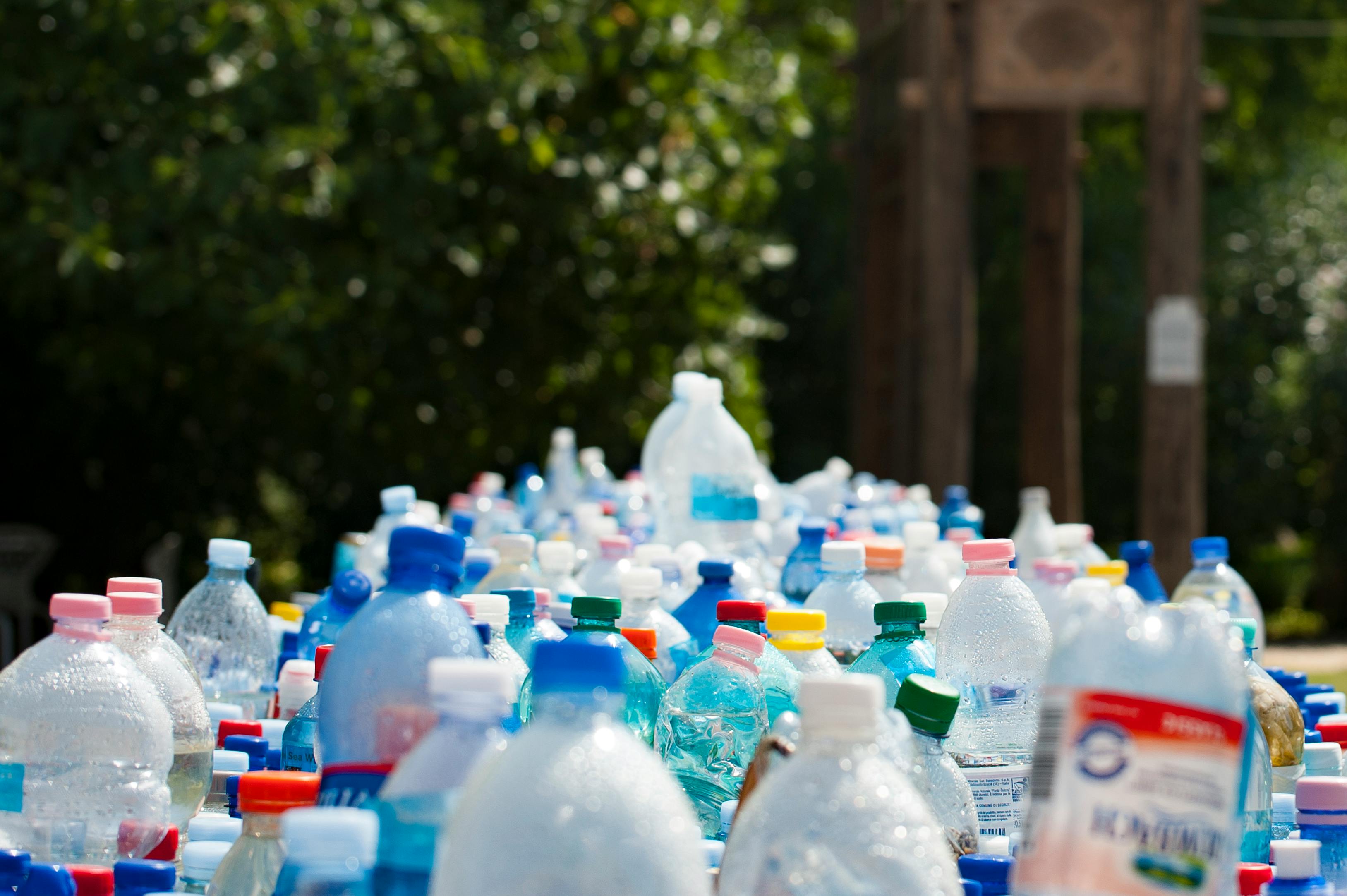
Microplastics (MPs), tiny plastic particles less than 5mm in size, are emerging as a major environmental and health concern worldwide. These ubiquitous pollutants can now be found in our oceans, air, food, and even our bodies. As research into their impacts accelerates, it's becoming clear that microplastics represent an urgent challenge we need to tackle head-on. Let's dive into what science is telling us and explore some forward-thinking solutions.
The last ten years have also seen a tremendous rise in studies regarding MPs. A study published in 2021, which cited over 180 relevant studies, highlights the effect of MP on marine organisms and suggests bacterial degradation as a solution (Yang et al.). MPs are not just affecting our oceans and marine ecosystems, as humans have shown to consume 39,000-52,000 particles annually. If we were accounting for inhalation as well, then the number would be closer to 74,000 and 121,000 particles annually! This study highlighted that those who only consume bottled water would ingest 90,000 MPs annually, as compared to 4,000 for those who drink tap water (Cox et al.).
Interestingly enough, microplastics have also been found in the Arctic Ocean and sea ice (Kanhai et al.). Even the remote French Pyrenees mountains contain airborne microplastics, per a 2025 Environmental Pollution report (Saha et al.). This suggests microplastic contamination knows no boundaries.
Animal studies are revealing worrisome health effects. In a literature review regarding the effect of MP in healthy mice conducted in 2025, it was shown that “MP can cause oxidative stress, increased permeability, immune cell infiltration, production of proinflammatory factors, and decreased mucus production. MP affects proliferation, apoptosis, and differentiation of epithelial cells, expression of tight junction components and glycocalyx, membrane transport, signaling pathways, metabolome, and intestinal microflora composition. In mice with acute and chronic experimental colitis, MP consumption leads to a more pronounced pathological process course” (Zolotova et al.).
Studying microplastics is challenging due to their tiny size and ubiquity. Sampling and analysis methods vary widely, making comparisons difficult. Many studies rely on observational rather than experimental designs.
Researchers are trying to make robust and standardized protocols for studying MP. For example, a 2025 ACS Omega article proposed using Raman spectroscopy as a rapid, reliable, and scalable microplastic identification method (Shiwani et al.). Machine learning algorithms are also being developed to automate microplastic detection in environmental samples.
Additionally, replication is another issue when studying microplastics. A study published in 2025 highlighted this issue and offered methodological priorities in studying MPs (Zhang et al.).
Mainstream Medical:
Dr. Maria Neira, Director, Department of Public Health, Environment and Social Determinants of Health, at WHO states “Based on the limited information we have, microplastics in drinking water don’t appear to pose a health risk at current levels. But we need to find out more. We also need to stop the rise in plastic pollution worldwide” (W.H.O.).
Official medical organizations are taking a cautious yet evidence-based stance on microplastics. The World Health Organization states that while microplastics in drinking water don't appear to pose a health risk at current levels and more research is needed. Mayo Clinic is actively researching how both microplastics and nanoparticles affect human health (Murphy).
Alternative/Holistic:
The holistic approach usually emphasizes consistent, everyday lifestyle changes rather than medical interventions. This often includes replacing plastic items that come into frequent contact with food and water, such as switching to stainless steel or cast-iron cookware, using glass or stainless steel water bottles, and storing leftovers exclusively in glass containers. Many also avoid heating food in plastic, choose wooden or metal utensils over plastic ones, and opt for natural fiber products instead of synthetic materials. The underlying belief is that chronic, low-level exposure matters, so reducing small, repeated contacts with plastics across daily routines may meaningfully lower overall toxic burden over time.
Holistic practitioners often focus on the gut microbiome impacts of microplastics. Some recommend detoxification strategies like infrared saunas or cleansing supplements (Kat). However, these approaches lack rigorous scientific support. The broader holistic view is that microplastics exemplify the need for a massive shift away from toxic materials toward natural, sustainable alternatives.
Influencer/Public:
Microplastics have sparked impassioned social media discourse. Viral videos of sea turtles with plastic straws stuck in their nostrils drove public outcry. Influencers often speak on the potential negative effects of micro plastics and offer other alternatives. This is especially prevalent on the cooking/recipe side of TikTok, as influencers often advertise stainless steel cookware. The dominant public view, however, is that microplastics pose an urgent environmental crisis. This concern is pressuring policymakers to take stronger action.
Microplastics provide a common ground between the medical, holistic, and public communities in concern. However, there are disparities in the level of health effects and the best strategies. There is a need for more scientific research to provide a collective approach.
We simply cannot wait for optimal evidence. The evidence from animal studies raises significant concern. We must therefore use the Precautionary Principle and reduce microplastic pollution while continuing research into its effects on human health.
Both sides of the medical and holistic communities agree at the very least to filter your water, reduce unnecessary plastics, and call for sustainable alternatives. Using social influencers to encourage these behaviors while seeking change through policy from governing bodies may provide the best of both worlds.
The microplastics challenge is a complex one, and paradoxically, it is also one that affects everyone on a very personal level. From the farthest reaches of the Arctic Ocean to the innermost recesses of our bodies, this is a challenge whose consequences are already better understood than anyone would like. While we are left with far too many uncertainties, at least one thing is certain: we have enough information about microplastics to act.
Microplastics are a critical environmental threat concerning biological effects, but high-quality human evidence is still lacking to quantify health risks. Precautionary action is warranted while research advances.
Cox, Kieran D., et al. “Human Consumption of Microplastics.” Environmental Science & Technology, vol. 53, no. 12, 18 June 2019, pp. 7068–7074, pubs.acs.org/doi/10.1021/acs.est.9b01517, https://doi.org/10.1021/acs.est.9b01517.
Kanhai, La Daana K., et al. “Microplastics in Sea Ice and Seawater beneath Ice Floes from the Arctic Ocean.” Scientific Reports, Nature, 19 Mar. 2020, www.nature.com/articles/s41598-020-61948-6#Sec8. Accessed 16 Dec. 2025.
Kat, Saunas.org . “Saunas.org.” Saunas.org, 5 Apr. 2024, saunas.org/plastics-detoxification-nanoplastics-sauna/?srsltid=AfmBOooBetYQ68oVyY1WmvAYB7imFanTbTsJg5-WmtrsntvRtiKtuG-S. Accessed 16 Dec. 2025.
Murphy, Susan. “What’s Lurking in Your Body? Mayo Probes Health Risks of Tiny Plastic Particles.” Mayo Clinic News Network, 20 Mar. 2024, newsnetwork.mayoclinic.org/discussion/whats-lurking-in-your-body-mayo-researchers-probing-health-risks-of-tiny-plastic-particles/. Accessed 16 Dec. 2025.
Saha, Guria, et al. “Airborne Microplastics and Its Impact to Environmental Health.” Water Air & Soil Pollution, vol. 237, no. 4, 12 Dec. 2025, link.springer.com/article/10.1007/s11270-025-08898-9, https://doi.org/10.1007/s11270-025-08898-9. Accessed 16 Dec. 2025.
Shiwani, Shiwani, et al. “Rapid Microplastic Detection Using High-Throughput Screening Raman Spectroscopy.” ACS Omega, vol. 10, no. 30, 25 July 2025, pp. 33675–33688, pubs.acs.org/doi/10.1021/acsomega.5c04522, https://doi.org/10.1021/acsomega.5c04522. Accessed 16 Dec. 2025.
WHO. “WHO Calls for More Research into Microplastics and a Crackdown on Plastic Pollution.” Www.who.int, 22 Aug. 2019, www.who.int/news/item/22-08-2019-who-calls-for-more-research-into-microplastics-and-a-crackdown-on-plastic-pollution. Accessed 16 Dec. 2025.
Yang, Huirong, et al. “Microplastics in the Marine Environment: Sources, Fates, Impacts and Microbial Degradation.” Toxics, vol. 9, no. 2, 22 Feb. 2021, https://doi.org/10.3390/toxics9020041.
Zhang, Weiwei, et al. “Key Methodological Priorities for Establishing a Microplastics Detection Laboratory.” Journal of Hazardous Materials: Plastics, vol. 1, Nov. 2025, p. 100004, www.sciencedirect.com/science/article/pii/S3051060025000046, https://doi.org/10.1016/j.hazmp.2025.100004. Accessed 16 Dec. 2025.
Zolotova, Natalia, et al. “Microplastic Effects on Mouse Colon in Normal and Colitis Conditions: A Literature Review.” PeerJ, vol. 13, 10 Feb. 2025, pp. e18880–e18880, pmc.ncbi.nlm.nih.gov/articles/PMC11823654/, https://doi.org/10.7717/peerj.18880. Accessed 16 Dec. 2025
Always consult a healthcare professional. This content includes personal opinions and interpretations based on available sources. This content includes personal opinions and interpretations based on available sources. Smart rings are wellness devices, not medical diagnostic tools. Although the data found in this blog and infographic has been produced and processed from sources believed to be reliable, no warranty expressed or implied can be made regarding the accuracy, completeness, legality or reliability of any such information. This disclaimer applies to any uses of the information whether isolated or aggregate uses thereof.