

August 24, 2026
10 min
Maya Q.
July 20, 2026
8 min
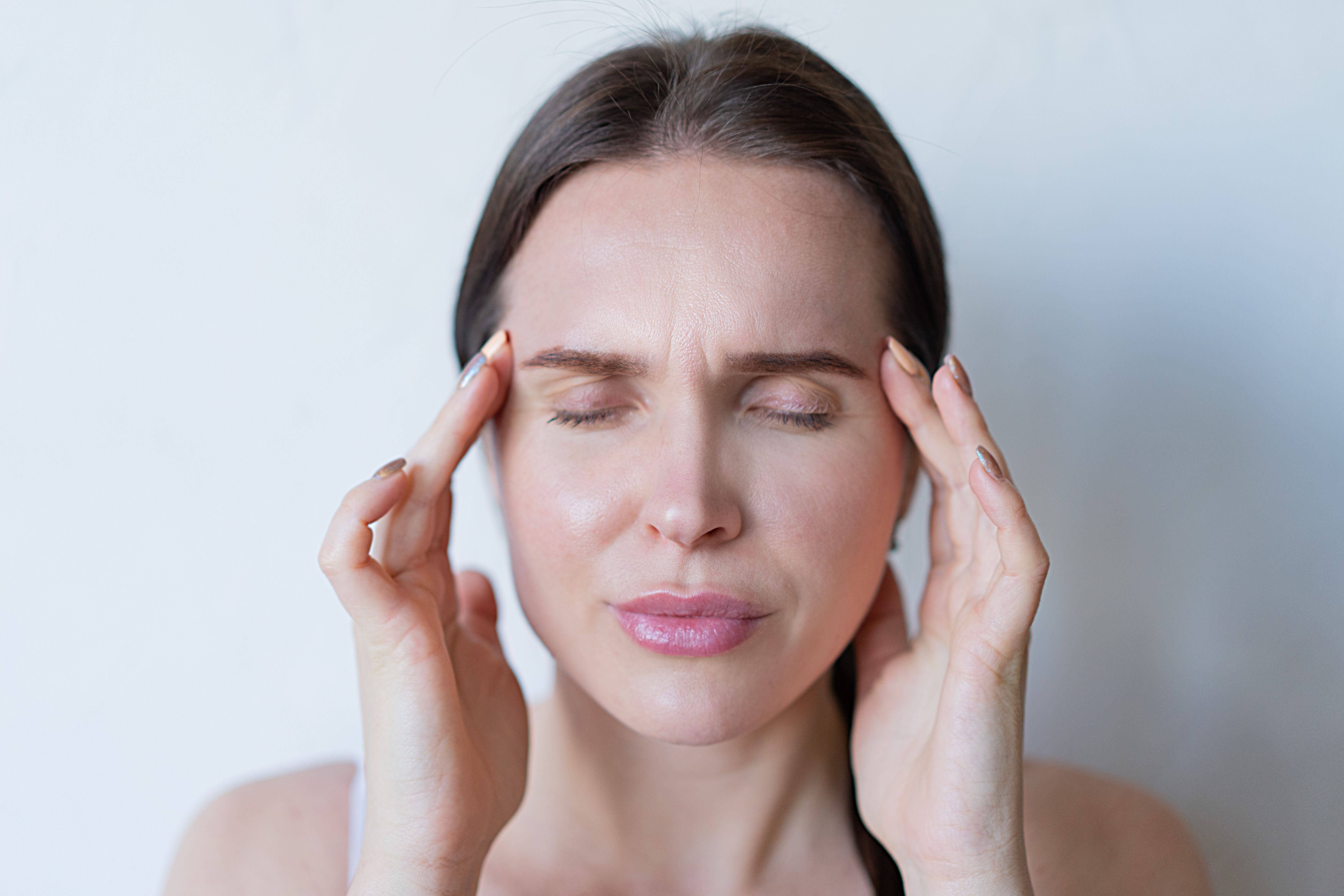
About one in seven people on the planet gets migraines, and nearly every one of them has been handed a “cure” by someone who has never had one. Drink a Coke. Eat a spoonful of salt. Ask your doctor about Botox. The odd thing is that all three show up in real research — just not in the way your group chat assumes.
What the evidence supports: Botox is an FDA-approved preventive that cut monthly headache days in large randomized trials, and caffeine reliably makes over-the-counter painkillers work better during an attack.
What’s overstated or unsupported: The viral salt-water “trick” rests on a single correlational study, and leaning on soda every day can trigger the exact headaches it seems to relieve.
⚕️ LyfeiQ Score: 7/10 — Two of these are legitimate tools with real limits. The kitchen-cabinet hacks are cheap, low-risk experiments — not cures.
A migraine is not a bad headache — it’s a neurological event, and that distinction shapes every treatment that follows. The pain is real, but it’s a symptom of something happening deeper in the nervous system. During an attack, a network called the trigeminovascular system becomes overactive. Nerve endings around the blood vessels of the head start firing and dumping out a messenger molecule called CGRP (calcitonin gene-related peptide), which inflames tissue, widens vessels, and cranks up pain signaling on its way to the brain.
According to a narrative review published in the journal Headache, CGRP sits close to the center of the whole process. Release it, and the trigeminal nerves become sensitized — first in the periphery, then in the brain itself. That sensitization is why light feels like a spotlight, why sound stabs, and why the pain often throbs on one side. It’s also why a migraine that has fully ramped up is so hard to reverse: the system has essentially locked itself into an alarm state.
This is the part most natural-remedy advice skips over. A migraine is not a plumbing problem you can flush out with the right beverage. It’s a hypersensitive circuit. Some interventions calm that circuit down. Most of the popular ones just happen to arrive at the same time the attack was going to ease anyway.
One more distinction matters before we get to the fixes. Doctors split migraine into episodic (fewer than 15 headache days a month) and chronic (15 or more, for at least three months). That number is not trivia — it decides which treatments you actually qualify for. Botox, for instance, is only approved for the chronic end of that line.
Speed is the single most useful thing you can control. Migraine treatments work far better before central sensitization sets in, so the window right after the first twinge or aura is precious. Waiting to see if it gets bad usually guarantees that it does.
If you rely on over-the-counter painkillers, this is where caffeine earns its reputation. A review in The Journal of Headache and Pain found that adding caffeine to acetaminophen, aspirin, or ibuprofen measurably improved pain relief, with roughly 100 mg of caffeine enough to boost the effect in migraine. That’s about one strong cup of coffee — or, yes, a can of soda. So the “Coke fixes my migraine” story isn’t pure folklore. It’s a real pharmacological nudge, just a small and temporary one.
Beyond that: hydrate, because dehydration is a common trigger and being short on fluids makes everything worse. Get into a dark, quiet room if you can. If you’ve been prescribed a triptan or a gepant, take it early rather than as a last resort. And keep a simple log of what preceded each attack — skipped meals, poor sleep, weather swings, wine, and yes, caffeine changes are among the usual suspects.
If attacks are frequent — several a month, or any that flatten your day — that’s the signal to talk to a doctor about prevention rather than white-knuckling each one. Prevention is a different category of treatment, and it’s where Botox enters the picture.
For chronic migraine, Botox is one of the few preventives with a large, well-run evidence base behind it. The pivotal PREEMPT trials, pooled and published in Headache, randomized more than 1,300 adults with chronic migraine to onabotulinumtoxinA or placebo. The Botox group saw headache days drop by about 8.4 per month versus 6.6 for placebo — a modest-sounding gap that translates into real relief for people losing half their month to pain.
The mechanism is more interesting than the idea that it simply relaxes muscles. Another review in Headache explains that Botox blocks a protein called SNAP-25 in sensory nerve endings, which cuts the release of CGRP and other pain messengers — the same molecules driving the migraine in the first place. It’s injected across dozens of sites in the head and neck every 12 weeks, and it typically takes two or three cycles before you know whether it’s working for you. Alongside it, newer CGRP-blocking drugs now target that pathway directly, which is arguably the biggest shift in migraine care in a generation.
The integrative side leans hard on hydration and electrolytes, and the honest answer is: a little, with caveats. A randomized trial summarized in the Journal of Evaluation in Clinical Practice tested whether drinking an extra 1.5 liters of water a day helped headache sufferers. It did improve self-reported quality of life — but it did not actually reduce the number of headache days, and the study had real methodological weaknesses. Drinking water is close to free and carries no risk, so it’s a reasonable habit. Just don’t expect it to abort an attack in progress.
The salt claim is more surprising. A cross-sectional analysis of nearly 8,800 US adults in Headache found that higher dietary sodium was associated with lower odds of migraine — the opposite of what you’d expect. The researchers floated the idea that sodium balance affects neuronal excitability in ways that might matter for migraine. But this is a single observational study. It shows a correlation, not a cause, and it absolutely does not mean you should start eating salt by the spoonful, especially if you have high blood pressure. Magnesium, meanwhile, is the integrative remedy with the sturdiest support, and mainstream neurologists use it as a preventive too.
Scroll through the wellness side of TikTok or Instagram and you’ll find two remedies on repeat: the salt-water “electrolyte” drink and the McDonald’s Coke-and-fries migraine hack. Both are genuinely popular, and both have a kernel of logic. The salt drink rides on that sodium-and-hydration idea. The Coke-and-fries combo is basically caffeine, sugar, salt, and fluid delivered fast — which is not nothing when you’re dehydrated and under-caffeinated.
Popular creators often present these as discoveries, sometimes with a scientific-sounding gloss about “adrenal cocktails” or vasoconstriction. What tends to get left out is dose, frequency, and the rebound problem. To their credit, plenty of neurologists and pharmacists have built followings on the same platforms doing exactly that correction — pointing out that a daily caffeine fix quietly sets up the next headache. That contrast, the hack video versus the debunk video, is the most useful thing about health social media right now.
Caffeine is the clearest example of a remedy that cuts both ways. Acutely, it helps painkillers work — that’s well established. But a separate analysis of US adults in Scientific Reports found that higher habitual caffeine intake was associated with more severe headache and migraine, with the risk climbing at 400 mg a day and above. Add the fact that caffeine withdrawal is itself a classic migraine trigger, and the picture is clear: an occasional caffeinated rescue is fine, but a daily dependence turns the fix into the cause.
The salt trick lives in a similar gray zone. There’s one intriguing correlation and a plausible mechanism, but nothing close to proof — and real cardiovascular downside if you overdo it. Water is safe and worth doing but won’t rescue you mid-attack. Soda works for some people because it bundles caffeine, fluid, and a moment of sitting still, not because cola has hidden powers.
Botox is the outlier here: the one option on this list with large randomized trials and a mechanism that maps onto what actually causes migraine. It’s also the least convenient, the most expensive, and reserved for chronic cases. The remedies people share most freely are the ones with the least evidence, and the treatment with the most evidence is the one nobody can do in their kitchen. That gap is worth sitting with.
The most active frontier is the CGRP pathway — the same target Botox partly hits indirectly — now addressed head-on by a growing class of preventive and acute drugs, with more in trials. Researchers are also revisiting the sodium-homeostasis question the salt study raised, trying to work out whether brain fluid sodium genuinely shifts neuronal excitability in migraine or whether the correlation is a red herring. And there’s rising interest in personalizing prevention — matching a given patient to caffeine limits, magnesium, hydration targets, or a CGRP drug based on their specific triggers rather than treating every migraine the same way.
Credibility Rating: 7/10
👉 Who should try this: Anyone with occasional attacks can treat early with a caffeine-assisted painkiller and good hydration. People losing 15+ days a month to migraine should ask a neurologist about Botox or a CGRP drug.
👉 Who should skip this: If you already drink caffeine daily, adding more won’t help and may hurt. Anyone with high blood pressure should not chase the salt trick.
⚕️ LyfeiQ Score: 7/10 — Treat early, use caffeine as an occasional assist rather than a daily crutch, and if migraines are running your calendar, get a real preventive from a specialist instead of a remedy from a feed.
Related: The Sweet and Salty Debate: Can Honey and Salt Boost Your Workout?
Disclaimer: This content includes personal opinions and interpretations based on available sources and should not replace medical advice. This content includes interpretation of available research and should not replace medical advice. Although the data found in this blog and infographic has been produced and processed from sources believed to be reliable, no warranty expressed or implied can be made regarding the accuracy, completeness, legality or reliability of any such information. This disclaimer applies to any uses of the information whether isolated or aggregate uses thereof.