

August 24, 2026
10 min
Maya Q.
July 20, 2026
5 min
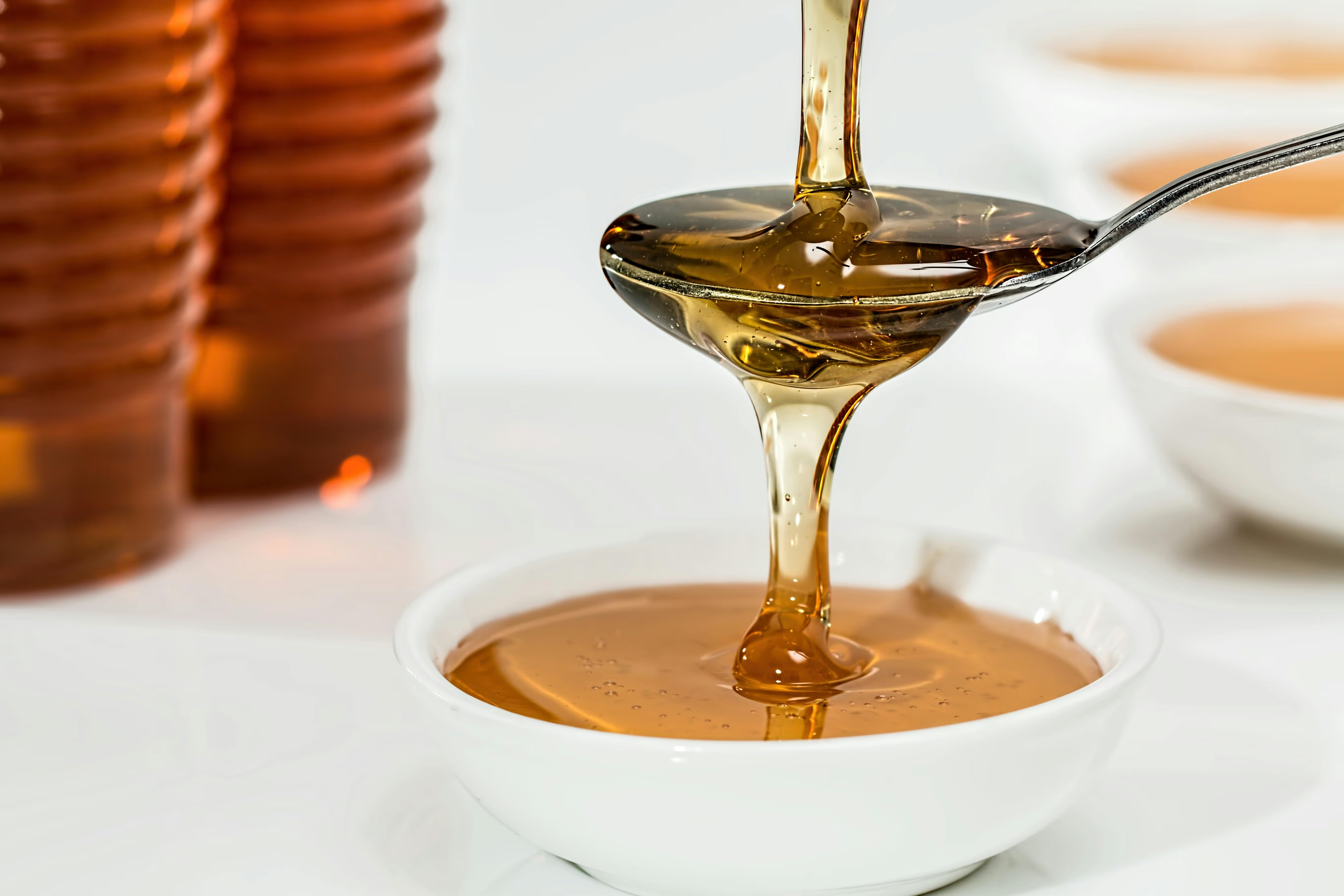
Picture this: you’re gearing up for a high-intensity workout, and instead of reaching for a flashy, expensive pre-workout supplement, you mix together two pantry staples: honey and salt. Sounds crazy? Well, this sweet and salty combo has been buzzing around social media and fitness circles as a potential natural performance booster. But before you start guzzling this DIY concoction, let’s dive into what the science really says about honey and salt as “nature’s preworkout.”
What the evidence supports: Honey provides fast-digesting carbohydrates that may support energy during aerobic exercise. Sodium helps maintain plasma volume and hydration during workouts. Both have plausible physiological roles in exercise performance.
What’s overstated: Most supporting studies are small-scale, short-term, or conducted on trained athletes — making broad recommendations difficult. Optimal dosing and timing remain unclear, and too much of either can cause digestive issues or no measurable benefit.
⚕️ LyfeiQ Score: 4/10 — A reasonable pantry experiment with some science behind it, but not a proven performance hack.
Honey has been used for centuries as a quick energy source, and modern research has begun to examine those claims more closely. This natural sweetener is rich in simple sugars — glucose and fructose — along with carbohydrates, minerals, and vitamins, and may improve aerobic exercise performance on its own. A systematic review by Yusof et al. found that when combined with exercise, honey supported bone health, regulated hormones, and enhanced immune function. These benefits are thought to arise from the carbohydrates and bioactive compounds in honey — and given that carbohydrates are a primary fuel source during exercise, the logic is not far-fetched.
The story for salt centers on electrolyte replacement. Sodium is lost through sweat during exercise and must be replenished to maintain function. A study by Coles and Luetkemeier tested whether drinking a sodium-rich beverage before exercise affects plasma volume and endurance. The sodium drink helped maintain plasma volume during exercise and improved cycling performance without affecting heart rate, body temperature, or sweating — meaningful findings for athletes looking for natural hydration strategies.
Using honey and salt in a performance context isn’t far-fetched when you consider their physiological roles. Honey provides easily digestible carbohydrates that can fuel muscles during exercise, while its bioactive compounds may aid recovery and immune function. Salt helps maintain fluid balance, supports nerve and muscle function, and can prevent drops in plasma volume during intense activity. When used in appropriate amounts and with proper timing, both can be practical, natural tools to support endurance and hydration.
That said, optimal dosage and timing remain unclear from current research. Too much of either could cause digestive issues, dehydration, or produce no measurable effect. Anyone considering this approach should consult a nutritionist to dial in what works for their specific fitness level, sweat rate, and exercise type.
From a conventional sports nutrition perspective, honey and salt are not typically recommended as primary pre-workout fuels. While both can provide quick energy and support electrolyte balance, they lack the complete nutrient profile — including protein, complex carbohydrates, and micronutrients — found in scientifically formulated supplements or whole foods like fruit, yogurt, or nuts. Clinicians often caution that relying solely on honey and salt may not be sufficient for sustained performance or recovery, and that individual responses can vary depending on fitness level, exercise intensity, and overall diet.
Natural and holistic approaches view honey and salt as a practical, accessible option for pre-exercise nutrition. Honey delivers simple carbohydrates for fast energy, plus antioxidants and trace minerals that may support recovery and general health. Salt can help replace electrolytes lost through sweat, supporting fluid balance and muscle function. This combination appeals to those seeking natural, minimally processed alternatives to commercial supplements, and can be adjusted to individual tolerance and preferences.
Recently, the honey-and-salt pre-workout has become a notable trend on TikTok and Instagram. Fitness enthusiasts and wellness influencers have popularized the idea, sharing videos and tips on mixing a small amount of raw honey with a pinch of salt before workouts. Many highlight it as a simple, “natural” way to boost energy and support hydration without artificial ingredients. While largely anecdotal, the trend has grown due to its accessibility, ease of use, and the appeal of following influencer-led wellness routines.
The mainstream medical view and the alternative perspective share more common ground than they might appear to. Both acknowledge that honey and salt have real physiological roles in exercise — the disagreement is about whether this combination is sufficient on its own or best used as part of a broader nutrition plan. Where the evidence thins out is in the specifics: what dose, what timing, what type of exercise, and for whom.
The social media trend amplifies a kernel of truth into something more definitive than the science supports. The mainstream medical view is that a well-rounded diet and scientifically backed supplements remain the gold standard for fueling fitness. The honey-and-salt combo is not magic — but for those who prefer a minimalist, natural approach, it’s a reasonable experiment under the guidance of a nutritionist.
To genuinely understand honey and salt’s potential, future research should address optimal dosage and timing across different exercise types and durations, long-term effects on hydration and blood sugar control, direct comparisons to other natural pre-workout options like fruits and adaptogens, and personalized nutrition strategies based on individual sweat rates and metabolic profiles.
Credibility Rating: 4/10
👉 Who should try this: Curious fitness enthusiasts looking for a natural, low-cost pre-workout option who are already eating a balanced diet and want to experiment under the guidance of a nutritionist.
👉 Who should skip this: Anyone managing blood sugar conditions (honey spikes glucose), those with sodium-sensitive hypertension, or anyone expecting dramatic performance gains — the science doesn’t support that outcome.
⚕️ LyfeiQ Score: 4/10 — Until larger human trials confirm clear exercise benefits, think of honey and salt as a tasty option to switch things up, not a scientifically proven performance hack. Stick to a balanced diet, stay hydrated, and don’t overdo it on the sweet stuff or the salt. Consult your healthcare provider before making this a regular part of your routine.
Related: What is Pre-Workout? Ingredients, Benefits, Risks & More
1. Coles, M. G., and M. J. Luetkemeier. “Sodium-Facilitated Hypervolemia, Endurance Performance, and Thermoregulation.” International Journal of Sports Medicine, vol. 26, no. 3, Apr. 2005, pp. 182–187. https://doi.org/10.1055/s-2004-820989
2. Lehman, Sharon. “Honey and Salt Pre-Workout: An RD’s Take on the Trend.” Garage Gym Reviews, 18 Apr. 2024. https://www.garagegymreviews.com/honey-and-salt-pre-workout
3. Yusof, A., et al. “Effects of Honey on Exercise Performance and Health Components: A Systematic Review.” Science & Sports, vol. 33, no. 5, Oct. 2018, pp. 267–281. https://doi.org/10.1016/j.scispo.2018.02.007
Disclaimer: This content includes personal opinions and interpretations based on available sources and should not replace medical advice. This content includes interpretation of available research and should not replace medical advice. Although the data found in this blog and infographic has been produced and processed from sources believed to be reliable, no warranty expressed or implied can be made regarding the accuracy, completeness, legality or reliability of any such information. This disclaimer applies to any uses of the information whether isolated or aggregate uses thereof.