

November 3, 2025
11 min
Maya Q.
March 11, 2026
8 min
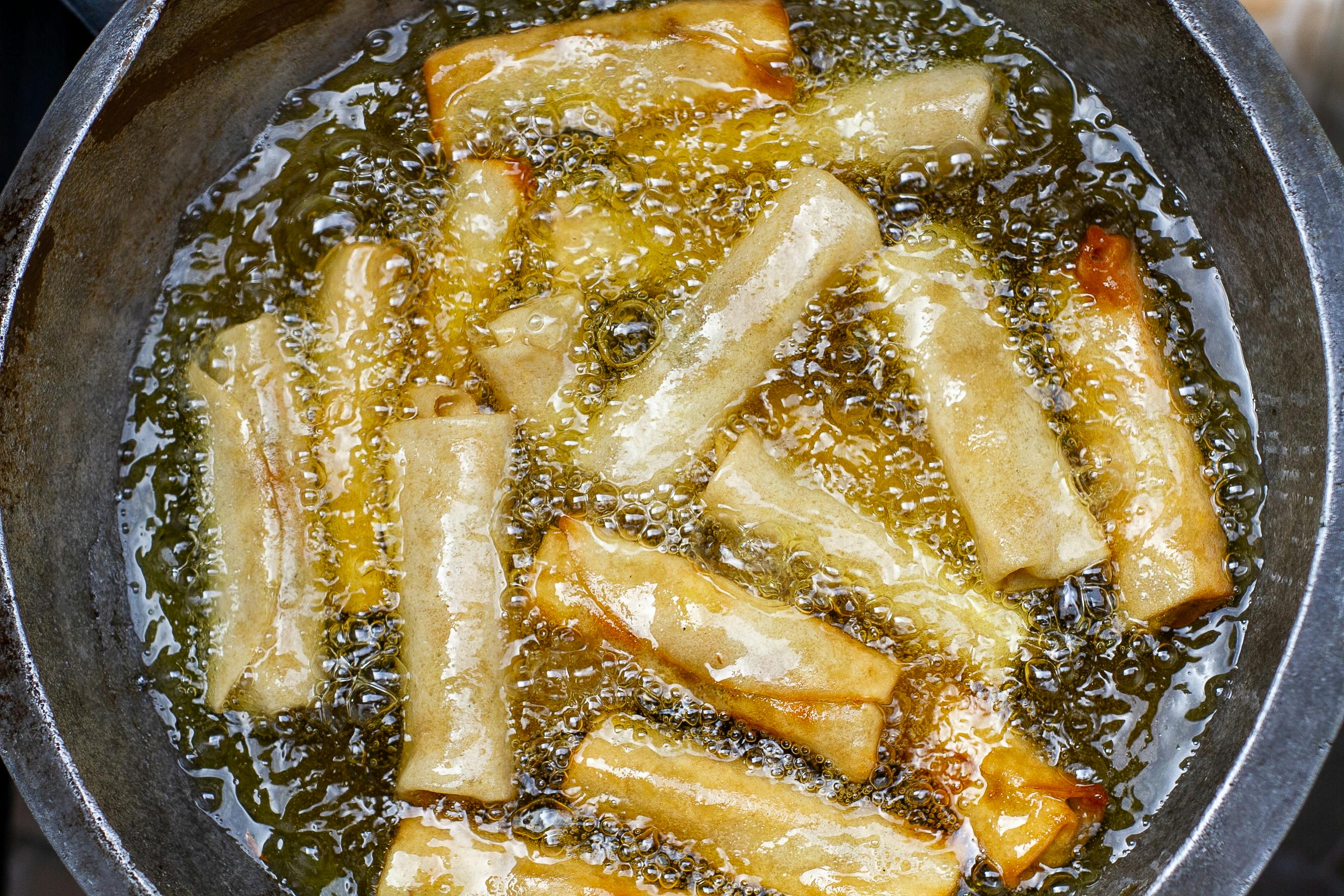
Somewhere between viral TikToks and heated podcast debates, seed oils became one of the most controversial ingredients in the American kitchen. These common cooking fats sit in nearly every pantry. They hide in restaurant fryers and sneak into processed foods. Yet millions now treat them like poison. The truth? It's complicated. And the answer depends on who you ask. Let's take a deep dive into seed oils!
Seed oils come from the oil-rich parts of plants. Think soybeans, corn kernels, sunflowers, and safflower seeds. The most common ones include canola, soybean, corn, sunflower, safflower, grapeseed, and cottonseed oils.
These aren't your grandmother's cooking fats. Making them requires significant processing (Penn State Extension). Seeds get crushed and oil gets extracted using heat and sometimes chemical solvents like hexane(Anderson International Corp). Then comes refining, bleaching, and deodorizing. The final product is clear, neutral-tasting, and shelf-stable.
Compare this to extra virgin olive oil. Making it is quite simple: fresh olives get grounded into paste and then the oil is separated in a centrifuge (Montillo). Clean, easy, and delicious!
Seed oils contain high amounts of polyunsaturated fatty acids, particularly omega-6 fats like linoleic acid. Your body needs these fats as it can't make them on its own. But the ratio of omega-6 to omega-3 fats in your diet might matter more than the absolute amount.
According to some estimates from Levels Health, seed oils now make up 8 to 10 percent of total calories in the average Western diet (DiNicolantonio and O’Keefe). Consumption of soybean oil alone grew 1,000-fold between 1909 and 1999 (Blasbalg et al.). That's a pretty dramatic shift in human eating habits, and it's not a healthy shift.
The scientific evidence on seed oils is extensive but sometimes contradictory. Understanding the full picture requires looking at different types of studies.
A 2017 Presidential Advisory from the American Heart Association reviewed decades of research. This article concludes that replacing dietary saturated fats with unsaturated fats, especially polyunsaturated fats, significantly lowers LDL cholesterol and reduces cardiovascular disease risk by about 30%, comparable to statin therapy, particularly within healthy dietary patterns like DASH or the Mediterranean diet (Sacks et al.).
A 2014 meta-analysis published in Circulation examined 13 cohort studies with over 310,000 participants. Higher dietary linoleic acid intake was associated with a 15 percent lower risk of coronary heart disease events. Each 5 percent increase in energy from linoleic acid correlated with a 9 percent reduction in risk (Farvid et al.).
A 2024 study states that eating plant-based oils (like olive, soybean, sunflower, or canola oil) instead of animal fats or tropical oils (like butter, lard, coconut, or palm oil) is good for your heart and does not cause inflammation (Petersen et al.).
A 2013 BMJ study suggests that in men with existing heart disease, replacing saturated fat with very high amounts of omega-6 linoleic acid from safflower oil was associated with increased mortality; however, because it was a small, decades-old trial using an extreme and unbalanced fat source, its findings are considered an outlier and do not outweigh the broader body of modern evidence showing cardiovascular benefit when saturated fats are replaced with mixed unsaturated plant oils. This finding matters because the Sydney study used margarine high in trans fats, a detail that complicates interpretation. Trans fats are now known to be harmful. When researchers designed that trial, they didn't understand this (Ramsden et al.).
In this large 2025 US cohort study, higher butter intake was linked to increased risk of death, while higher intake of plant-based oils, especially canola, soybean, and olive oil, was associated with lower total, cancer, and cardiovascular mortality. Essentially, they found that replacing butter with plant oils significantly reduced premature death risk (Zhang et al.).
Nutrition research is inherently complex, and much of the disagreement among experts stems from well-known limitations in the evidence. Most data come from observational studies, which can identify associations but cannot establish causality; people who consume more seed oils may also differ in other health-related behaviors that influence outcomes. Many of the relevant randomized trials were conducted decades ago, when food supplies, processing methods, and overall dietary patterns differed substantially from today, making direct application to modern diets difficult. In addition, most studies examine replacing saturated fat with polyunsaturated fat, leaving less clarity about the health effects of substituting seed oils for olive oil or whole-food fat sources. Interpretation is further complicated by older trials that used margarines containing trans fats, which are now known to be harmful and confound results attributed to seed oils. Finally, dietary intake is challenging to measure accurately: food frequency questionnaires rely on self-report and often fail to capture hidden oils in processed foods.
Major health organizations support using seed oils (American Heart Association). The American Heart Association recommends choosing nontropical vegetable oils for cooking. Their guidelines suggest replacing saturated fats from butter, lard, and tropical oils with unsaturated fats from seed oils. The association supports including omega-6 fatty acids as part of a healthy diet.
Dr. Christopher Gardner, a physician at Stanford, told the American Heart Association News that seed oils are not something to fear. He emphasized that the choice in real cooking is often between plant oils and butter. The consistent data shows butter and lard are worse for heart health (Williamson).
The U.S. Dietary Guidelines for Americans 2020-2025 recommend replacing solid fats with unsaturated fats from sources including canola, sunflower, safflower, corn, and soybean oils (United States Department of Agriculture). Additionally, the U.S. Canola Association once stated “Canola oil has Generally Recognized as Safe (GRAS) status for use in infant formula and qualified health claims from the U.S. Food and Drug Administration on its ability to reduce the risk of coronary heart disease in both regular (commodity) and high-oleic versions” (U.S. Canola Association).
Leading health authorities consistently recommend using seed oils instead of saturated fats, emphasizing that omega-6–rich plant oils are safe and beneficial for heart health.
Some health practitioners take a cautious stance toward seed oils, often preferring traditional animal fats like tallow, lard, or butter, as well as stable plant oils such as coconut, avocado, and extra virgin olive oil. Their concerns focus on modern diets’ high omega-6 to omega-3 ratios, which may overwhelm the body’s ability to use omega-3s effectively. Seed oils are also prone to oxidation when heated, producing potentially harmful byproducts like aldehydes that may promote inflammation or damage mitochondria. Industrial processing methods, including hexane extraction, deodorization, and bleaching, add further concerns, since they can create small amounts of trans fats. Advocates of this approach emphasize minimizing ultra-processed foods, noting that avoiding seed oils often aligns with eating whole, minimally processed fats and foods, which they view as more stable and health-promoting.
Many health influencers and members of the public actively avoid seed oils, often promoting diets that emphasize traditional fats like butter, ghee, tallow, coconut oil, and extra virgin olive oil. Restaurants and food brands sometimes advertise that their products are “seed-oil free” as a selling point, appealing to consumers who view seed oils as unhealthy or inflammatory. On social media, this perspective is reinforced with messaging that associates avoiding seed oils with cleaner, more natural eating, and overall wellness, even when the scientific evidence for harm from typical culinary use is limited.
This perspective reflects growing distrust in institutional nutrition advice. Many followers feel that mainstream recommendations failed them. Seed oils became a symbol of an allegedly corrupt food system.
These perspectives share some common ground. Everyone agrees that whole food fats like avocados, nuts, and fatty fish are healthy. Nobody disputes that ultra-processed foods cause problems. The debate centers on isolated seed oils and their specific effects.
Dr. Gardner's point matters here. People use cooking oils to prepare food. If seed oils make vegetables taste good and encourage eating them, that's a net benefit. Context shapes outcomes.
The inflammation argument deserves scrutiny. The American Heart Association corrected its own article in 2025, noting that omega-6 fats had been incorrectly labeled as pro-inflammatory. Research shows that high levels of both omega-6 and omega-3 fatty acids are protective. Omega-3s are simply more protective.
Here's a key insight that often gets lost. Most studies showing benefits from seed oils compared them to saturated fat. The choice between canola oil and butter favors canola. But comparing seed oils to olive oil or whole food fats is a different question with less clear answers.
Several areas deserve more investigation.
Personalized nutrition approaches could clarify who benefits most from reducing seed oil intake. Genetic variations affect how people metabolize fats. Testing omega-6 to omega-3 ratios through bloodwork might guide individual recommendations.
Better-designed trials could isolate seed oils specifically. Comparing seed oils to olive oil rather than saturated fat would answer a more relevant modern question.
Understanding oxidation products in real-world cooking conditions would help. Lab studies use conditions that may not reflect home kitchens. How much do aldehydes actually form in typical use?
Longitudinal studies in diverse populations would improve generalizability. Most research comes from Western countries with specific dietary patterns.
Examining food matrix effects might reveal why whole foods consistently outperform isolated nutrients. The debate might ultimately show that the processing matters more than the oil itself.
Seed oils sit at the center of a genuine scientific controversy. The mainstream view, backed by large studies, sees them as heart-healthy alternatives to butter and lard. The alternative view raises legitimate concerns about processing, oxidation, and modern dietary imbalances. Social media amplified both sides, sometimes beyond what evidence supports.
For most people, the practical advice might be simpler than the debate suggests.
Cook with a variety of fats. Olive oil and avocado oil work well for many applications. If you use seed oils, don't heat them to smoking point. Avoid highly processed foods where these oils accumulate. Eat plenty of omega-3 rich foods like fatty fish. Focus less on demonizing single ingredients and more on overall eating patterns.
The dose makes the poison. Seed oils in home-cooked stir-fry differ from seed oils in fast food fryers. Context matters enormously.
Credibility Rating: 6/10
Seed oils remain a reasonable cooking option for most people, particularly when replacing butter or lard. However, choosing less processed options like extra virgin olive oil when possible makes sense. The controversy highlights a broader truth: overall dietary patterns matter more than obsessing over any single ingredient.
American Heart Association. “Healthy Cooking Oils.” Www.heart.org, 24 Oct. 2023, www.heart.org/en/healthy-living/healthy-eating/eat-smart/fats/healthy-cooking-oils. Accessed 4 Feb. 2026.
Anderson International Corp. “Understanding Hexane Extraction of Vegetable Oils.” Anderson International Corp, 31 July 2023, www.andersonintl.com/understanding-hexane-extraction-of-vegetable-oils/. Accessed 4 Feb. 2026.
Blasbalg, Tanya L, et al. “Changes in Consumption of Omega-3 and Omega-6 Fatty Acids in the United States during the 20th Century.” The American Journal of Clinical Nutrition, vol. 93, no. 5, 2 Mar. 2011, pp. 950–962, www.ncbi.nlm.nih.gov/pmc/articles/PMC3076650/, https://doi.org/10.3945/ajcn.110.006643. Accessed 4 Feb. 2026.
DiNicolantonio, James J, and James H O’Keefe. “Omega-6 Vegetable Oils as a Driver of Coronary Heart Disease: The Oxidized Linoleic Acid Hypothesis.” Open Heart, vol. 5, no. 2, 26 Sept. 2018, p. e000898, openheart.bmj.com/content/5/2/e000898, https://doi.org/10.1136/openhrt-2018-000898. Accessed 4 Feb. 2026.
Farvid, Maryam S., et al. “Dietary Linoleic Acid and Risk of Coronary Heart Disease: A Systematic Review and Meta-Analysis of Prospective Cohort Studies.” Circulation, vol. 130, no. 18, 26 Aug. 2014, pp. 1568–1578, pmc.ncbi.nlm.nih.gov/articles/PMC4334131/, https://doi.org/10.1161/circulationaha.114.010236. Accessed 4 Feb. 2026.
Montillo, Francesca. “The Seven Phases of Olive Oil Production - the Lazy Italian.” Www.thelazyitalian.com, 30 Sept. 2023, www.thelazyitalian.com/the-7-phases-of-olive-oil-production/. Accessed 4 Feb. 2026.
Penn State Extension. “Processing Edible Oils.” Penn State Extension, 12 Dec. 2013, extension.psu.edu/processing-edible-oils. Accessed 4 Feb. 2026.
Petersen, Kristina S, et al. “Perspective on the Health Effects of Unsaturated Fatty Acids and Commonly Consumed Plant Oils High in Unsaturated Fat.” British Journal of Nutrition, vol. 132, no. 8, 30 Oct. 2024, pp. 1–12, www.cambridge.org/core/journals/british-journal-of-nutrition/article/perspective-on-the-health-effects-of-unsaturated-fatty-acids-and-commonly-consumed-plant-oils-high-in-unsaturated-fat/54F76A9404C9D1B192EB59DD8E6DC3F3, https://doi.org/10.1017/s0007114524002459. Accessed 4 Feb. 2026.
Ramsden, C. E., et al. “Use of Dietary Linoleic Acid for Secondary Prevention of Coronary Heart Disease and Death: Evaluation of Recovered Data from the Sydney Diet Heart Study and Updated Meta-Analysis.” BMJ, vol. 346, no. feb04 3, 4 Feb. 2013, pp. e8707–e8707, pubmed.ncbi.nlm.nih.gov/23386268/, https://doi.org/10.1136/bmj.e8707. Accessed 4 Feb. 2026.
Sacks, Frank M, et al. “Dietary Fats and Cardiovascular Disease: A Presidential Advisory from the American Heart Association.” Circulation, vol. 136, no. 3, 18 July 2017, pp. e1–e23, www.ahajournals.org/doi/10.1161/cir.0000000000000510, https://doi.org/10.1161/CIR.0000000000000510. Accessed 4 Feb. 2026.
U.S. Canola Association. “Dietary Guidelines for Americans 2020-25 Issued in Time for New Year Resolutions.” U.S. Canola Association, 31 Dec. 2020, www.uscanola.com/news-views/usca-blog/dietary-guidelines-for-americans-2020-25-issued-in-time-for-new-year-resolutions/. Accessed 4 Feb. 2026.
United States Department of Agriculture. Dietary Guidelines for Americans 2020-2025 . USDA, 2020.
Williamson, Laura. “There’s No Reason to Avoid Seed Oils and Plenty of Reasons to Eat Them.” Www.heart.org, 20 Aug. 2024, www.heart.org/en/news/2024/08/20/theres-no-reason-to-avoid-seed-oils-and-plenty-of-reasons-to-eat-them. Accessed 4 Feb. 2026.
Zhang, Yu, et al. “Butter and Plant-Based Oils Intake and Mortality.” JAMA Internal Medicine, 1 May 2025, jamanetwork.com/journals/jamainternalmedicine/fullarticle/2831265, https://doi.org/10.1001/jamainternmed.2025.0205. Accessed 4 Feb. 2026.