

November 3, 2025
11 min
Maya Q.
January 13, 2026
5 min
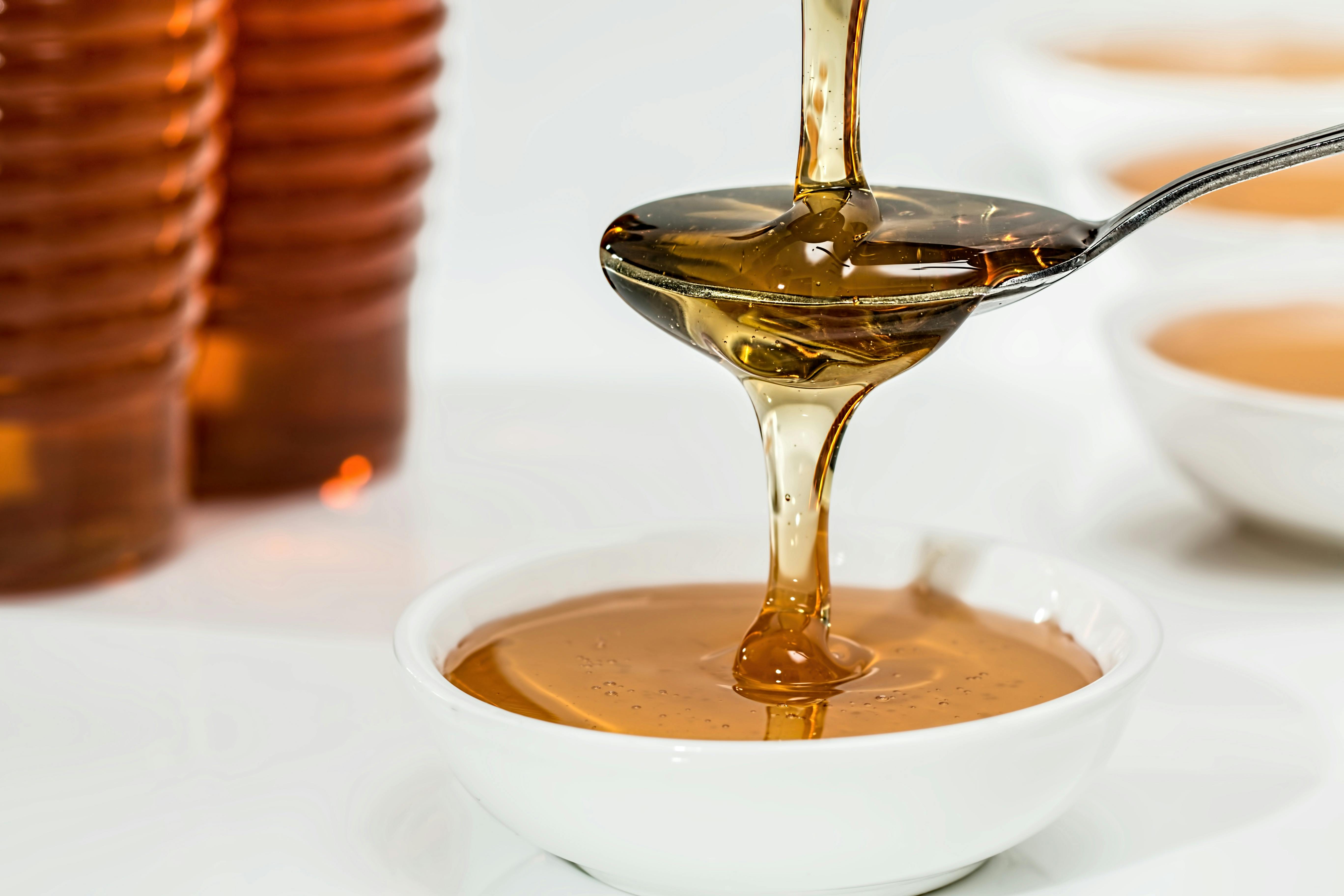
Picture this: you're gearing up for a high-intensity workout, and instead of reaching for a flashy, expensive pre-workout supplement, you mix together two pantry staples: honey and salt. Sounds crazy? Well, this sweet and salty combo has been buzzing around social media and fitness circles as a potential natural performance booster. But before you start guzzling this DIY concoction, let's dive into what the science really says about honey and salt as “nature's preworkout”.
First off, let's look at honey. This natural sweetener has been used for centuries as a source of quick energy, thanks to its simple sugars like glucose and fructose. Honey is rich in carbohydrates, minerals, and vitamins, and may improve aerobic exercise performance on its own. One study shows that when combined with exercise, honey has been shown to support bone health, regulate hormones, and enhance immune function. These benefits are thought to arise from the carbohydrates and bioactive compounds present in honey (Yusof et al.). Given that carbs are energy sources and that carbohydrates are found in honey, it does not seem outlandish that some may ingest honey prior to a workout.
As for salt, it's a crucial electrolyte that we lose through sweat during exercise. As gross as this sounds, think about your sweat. If you were to taste your sweat, it would be salty, right? So since we lose sodium as we work out, it is essential to replenish it. Another study tested whether drinking a sodium-rich beverage before exercise affects plasma volume and endurance. The sodium drink helped maintain plasma volume during exercise and improved cycling performance without affecting heart rate, body temperature, or sweating (Coles and Luetkemeier).
While these findings are intriguing, it's important to note some limitations. Many of the studies on honey and exercise have been small-scale or used highly trained athletes, so the results may not apply to everyone. And the optimal timing and dosage of honey and salt are still unclear: too much of either could cause digestive issues, dehydration, or no real effect.
Additionally, most studies relied on short-term interventions, which limits understanding of the long-term effects of honey or sodium supplementation on exercise performance and health outcomes. Variations in study design, such as differences in exercise type, intensity, and participant fitness levels, make it difficult to directly compare results across studies. Future research with larger, more diverse populations and standardized protocols is needed to clarify the most effective strategies for using honey and sodium to enhance performance and health safely.
Using honey and salt in a therapeutic or performance context isn’t far-fetched when you consider their physiological roles. Honey provides easily digestible carbohydrates that can fuel muscles and support energy needs during exercise, while its vitamins and bioactive compounds may aid recovery and immune function. Salt (sodium) helps maintain fluid balance, supports nerve and muscle function, and can prevent drops in plasma volume during intense activity. When used in appropriate amounts and timing, both honey and salt can be practical, natural tools to support endurance, hydration, and overall health without being “crazy” or extreme.
Mainstream Medical
From a conventional sports nutrition perspective, honey and salt are not typically recommended as primary pre-workout fuels. While both can provide quick energy and help with electrolyte balance, they lack the complete profile of nutrients such as protein, complex carbohydrates, and micronutrients, which are found in scientifically formulated supplements or whole food options like fruit, yogurt, or nuts. Clinicians often caution that relying solely on honey and salt may not be sufficient for sustained performance or recovery, and that individual responses can vary depending on fitness level, exercise intensity, and overall diet.
Alternative / Holistic
On the other hand, some natural and holistic approaches view honey and salt as a practical and accessible option for pre-exercise nutrition. Honey delivers simple carbohydrates for fast energy, as well as antioxidants and trace minerals that may support recovery and general health. Salt, meanwhile, can help replace electrolytes lost through sweat, supporting fluid balance and muscle function. This combination is often appealing to those seeking natural, minimally processed alternatives to commercial supplements, and can be easily adjusted to individual tolerance and preferences.
Influencer / Public POV
Recently, the honey-and-salt pre-workout has become a notable trend on social media platforms like TikTok and Instagram. Fitness enthusiasts and wellness influencers have popularized the idea, sharing videos and tips on how they mix a small amount of raw honey with a pinch of salt before workouts. Many highlight it as a simple, “natural” way to boost energy and support hydration without relying on artificial ingredients. While largely anecdotal, the trend has grown due to its accessibility, ease of use, and the appeal of following influencer-led wellness routines.
So, where does this leave us? While honey and salt show some potential exercise benefits, they're not a magic bullet. The mainstream medical view is that a well-rounded diet and scientifically backed supplements are still the gold standard for fueling fitness. But for those who prefer a more natural, minimalist approach, experimenting with honey and salt under the guidance of a nutritionist could be a reasonable option.
To really understand the potential of honey and salt in exercise, we need more research on:
In the end, the best pre-workout fuel is the one that works for your body and lifestyle. Honey and salt might be worth a shot if you're curious about natural alternatives, but don't expect a night-and-day difference in your performance. As with any nutrition trend, it's wise to approach it with a balanced perspective, consult with experts, and listen to your own body's cues.
Until larger human trials confirm clear exercise benefits, think of honey and salt as a tasty option to switch things up, not a scientifically proven performance hack. Stick to a balanced diet, stay hydrated, and don't overdo it on the sweet stuff or the shaker. And as always, consult your healthcare provider to ensure that this may be a smart move for you. I hope you learned something new!
Coles, M. G., and M. J. Luetkemeier. “Sodium-Facilitated Hypervolemia, Endurance Performance, and Thermoregulation.” International Journal of Sports Medicine, vol. 26, no. 3, Apr. 2005, pp. 182–187, pubmed.ncbi.nlm.nih.gov/15776333/, https://doi.org/10.1055/s-2004-820989. Accessed 12 Jan. 2026.
Lehman, Sharon. “Honey and Salt Pre-Workout: An RD’s Take on the Trend | Garage Gym Reviews.” Garage Gym Reviews, 18 Apr. 2024, www.garagegymreviews.com/honey-and-salt-pre-workout. Accessed 12 Jan. 2026.
Yusof, A., et al. “Effects of Honey on Exercise Performance and Health Components: A Systematic Review.” Science & Sports, vol. 33, no. 5, Oct. 2018, pp. 267–281, www.sciencedirect.com/science/article/abs/pii/S0765159718300492#:~:text=Acute%20honey%20ingestion%20improved%20endurance,reproductive%20hormones%20were%20positively%20regulated., https://doi.org/10.1016/j.scispo.2018.02.007. Accessed 12 Jan. 2026.