
November 3, 2025
11 min
Maya Q.
January 15, 2026
6 min
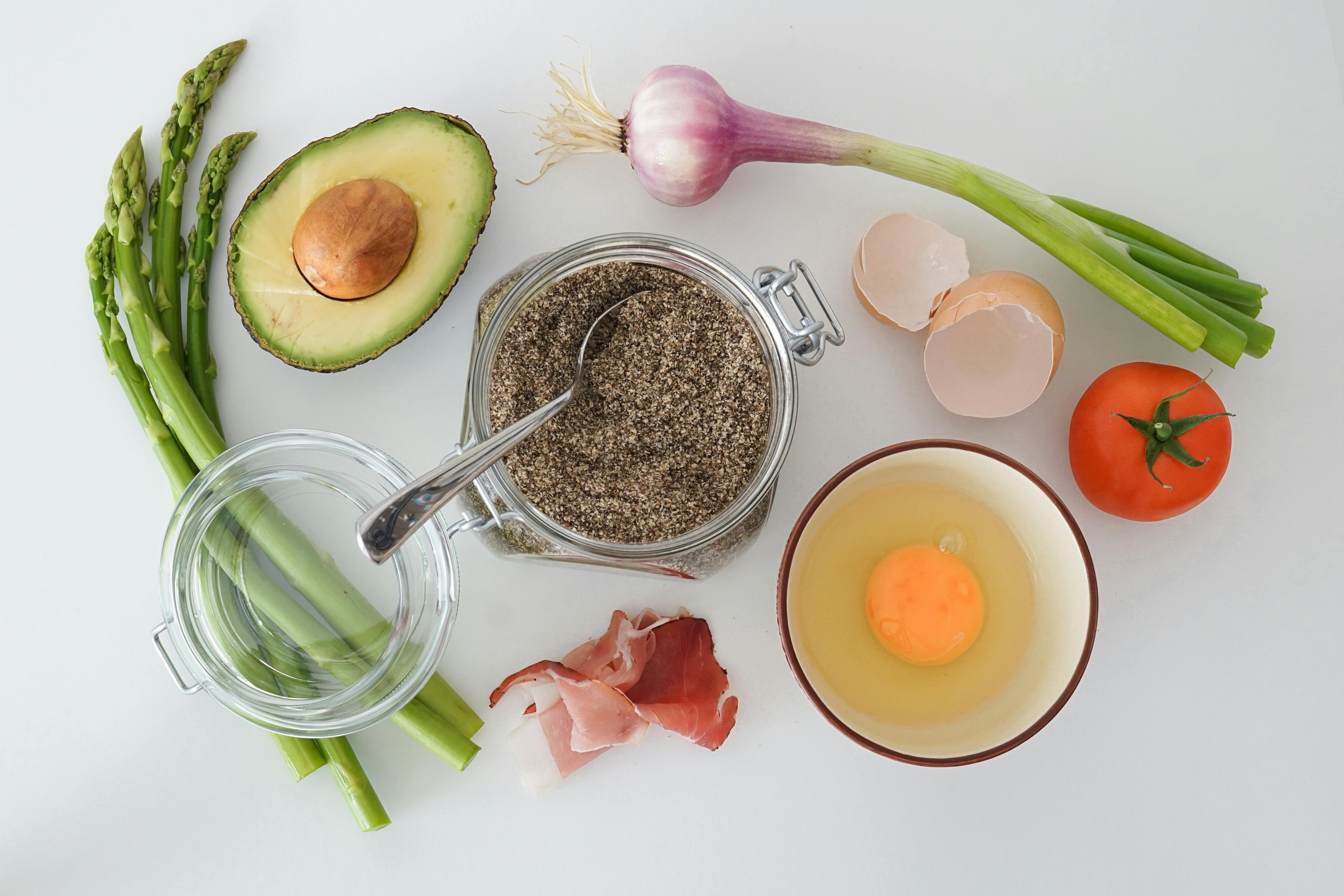
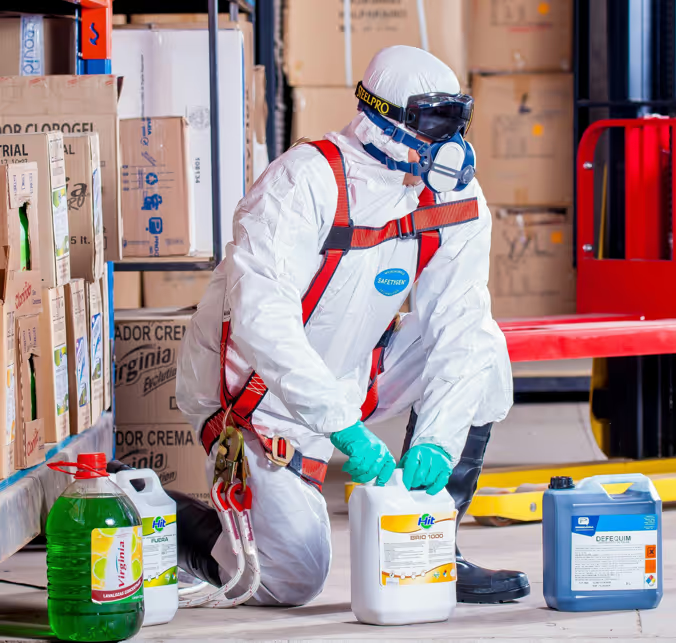
Have you ever wondered about the hard-to-pronounce ingredients listed on your favorite snacks? While some people fear these chemical-sounding additives, the truth is that everything we eat is made up of chemicals; even natural, whole foods. In this article, we'll explore the science behind some of the most controversial food ingredients and separate fact from fiction.
Monosodium Glutamate (MSG): Despite its notorious reputation, MSG is simply a concentrated form of glutamate, an amino acid naturally present in many foods like tomatoes, cheese, and mushrooms (Zanfirescu et al.). The Food and Drug Administration (FDA) considers MSG to be “generally recognized as safe” (FDA).
High Fructose Corn Syrup (HFCS): This sweetener, derived from corn starch, has been linked to obesity and diabetes. However, a 2014 study showed that moderate intake of fructose-containing sugars does not appear directly harmful, but high doses or excess-calorie consumption may contribute to obesity and metabolic risk (Cozma and Sievenpiper). It has been shown to also increase inflammation in the body and lead to excess fat storage (Cleveland Clinic).
Artificial Colors: Synthetic dyes like Red 40 and Yellow 5 have been scrutinized for potential links to hyperactivity in children. However, a systematic review of human and animal studies indicates that synthetic food dyes can adversely affect children’s behavior, suggesting current FDA acceptable daily intakes may not adequately protect susceptible children and warrant re-evaluation (Miller et al.). Additionally, another study showed that artificial food colors appear to cause small but measurable behavioral changes in children, affecting both those with and without ADHD, suggesting a broader public health impact rather than being a primary cause of ADHD (Arnold et al.).
While some studies have suggested potential risks associated with these ingredients, many of these findings are based on animal models or observational studies, which cannot prove causation. Additionally, some early studies linking MSG to "Chinese Restaurant Syndrome" were later criticized for methodological flaws and small sample sizes (Bawaskar et al.).
Mainstream Medical
Regulatory agencies, including the FDA, have extensively reviewed the scientific evidence and concluded that synthetic food additives, including artificial colors, are generally safe when consumed within established limits. The principle “the dose makes the poison” underpins this assessment, meaning that typical dietary exposures are far below levels expected to cause harm (Sewell et al.). While occasional sensitivity or allergic reactions can occur in a small subset of individuals, for the majority of the population, these additives do not pose a significant health risk, and current regulations are designed to ensure safety.
Alternative / Holistic
From a holistic or natural health perspective, even additives considered safe by regulatory standards are still processed and synthetic, which some argue is inherently less compatible with human biology. Advocates suggest that these substances can contribute to subtle imbalances or behavioral effects over time, especially in sensitive individuals such as children. Emphasis is placed on prioritizing whole, minimally processed foods, with the belief that a diet rich in natural ingredients supports overall health, reduces potential exposure to unnecessary chemicals, and minimizes long-term risk.
Influencer / Public Perspective
Across wellness and social media communities, there is growing concern about synthetic food additives, with many voices encouraging mindful consumption. Even small behavioral or health effects, particularly in children, are viewed as reasons to limit exposure. Influencers and wellness advocates often promote diets focused on whole foods, natural colors, and minimally processed products, framing these choices not only as safer but also as part of a broader lifestyle approach to health, energy, and cognitive well-being.
While it's true that some people may be sensitive to certain food additives, the vast majority of these ingredients have been rigorously tested and deemed safe by scientific authorities. The dose and context matter: consuming excessive amounts of any substance can be harmful. The most important factors for health are overall diet quality and moderation.
In conclusion, while some food additives may sound scary, the evidence shows that most are safe when consumed in typical amounts as part of a balanced diet. Remember, everything is made of chemicals- even natural foods. The key is moderation and informed decision-making based on credible scientific sources, not fear-mongering.
For most people, worrying about MSG or food dyes is "majoring in the minors." Focus on the big picture of a balanced, minimally processed diet rather than stressing over specific additives. Always consult your doctor if you suspect a sensitivity.
Arnold, L. Eugene, et al. “Artificial Food Colors and Attention-Deficit/Hyperactivity Symptoms: Conclusions to Dye For.” Neurotherapeutics, vol. 9, no. 3, 3 Aug. 2012, pp. 599–609, www.ncbi.nlm.nih.gov/pmc/articles/PMC3441937/, https://doi.org/10.1007/s13311-012-0133-x.
Bawaskar, Himmatrao, et al. “Chinese Restaurant Syndrome.” Indian Journal of Critical Care Medicine, vol. 21, no. 1, Jan. 2017, pp. 49–50, https://doi.org/10.4103/0972-5229.198327.
Clinic, Cleveland. “What Is High Fructose Corn Syrup? And Why It’s Bad for You.” Cleveland Clinic, Apr. 2025, health.clevelandclinic.org/what-is-high-fructose-corn-syrup.
Cozma, Adrian I, and John L Sievenpiper. “The Role of Fructose, Sucrose, and High-Fructose Corn Syrup in Diabetes.” European Endocrinology, vol. 10, no. 1, 8 Feb. 2014, p. 51, https://doi.org/10.17925/ee.2014.10.01.51.
FDA. “Questions and Answers on Monosodium Glutamate (MSG).” U.S. Food and Drug Administration, 19 Nov. 2012, www.fda.gov/food/food-additives-petitions/questions-and-answers-monosodium-glutamate-msg.
MILLER, Mark D., et al. “Potential Impacts of Synthetic Food Dyes on Activity and Attention in Children: A Review of the Human and Animal Evidence.” Environmental Health, vol. 21, no. 1, 29 Apr. 2022, pmc.ncbi.nlm.nih.gov/articles/PMC9052604/, https://doi.org/10.1186/s12940-022-00849-9.
Sewell, Fiona, et al. “Recommendations on Dose Level Selection for Repeat Dose Toxicity Studies.” Archives of Toxicology, vol. 96, no. 7, 29 Apr. 2022, pp. 1921–1934, https://doi.org/10.1007/s00204-022-03293-3.
Zanfirescu, Anca, et al. “A Review of the Alleged Health Hazards of Monosodium Glutamate.” Comprehensive Reviews in Food Science and Food Safety, vol. 18, no. 4, 8 May 2019, pp. 1111–1134, www.ncbi.nlm.nih.gov/pmc/articles/PMC6952072/, https://doi.org/10.1111/1541-4337.12448.